


Can patients with gastroenteritis eat preserved eggs (century eggs)?

Century eggs (preserved eggs) are a popular food enjoyed by many people. However, individuals with certain medical conditions must exercise caution when consuming them—some diseases contraindicate century egg consumption. So, can patients with gastroenteritis eat century eggs?
Can patients with gastroenteritis eat century eggs?
Patients with acute gastroenteritis should avoid century eggs. Century eggs are high in both fat and protein; inappropriate dietary choices may exacerbate gastroenteritis symptoms. Moreover, century eggs are produced through a curing process and contain trace amounts of lead; therefore, long-term or excessive consumption is discouraged, as it may lead to lead poisoning and consequent gastrointestinal discomfort.

Patients with acute gastroenteritis must not consume century eggs, as their lead content may impair gastrointestinal digestion and even trigger lead poisoning. Appropriate dietary management plays a vital role in facilitating recovery from acute gastroenteritis. As symptoms improve, patients should consume easily digestible, nutrient-rich liquid or semi-liquid foods—such as rice porridge, millet porridge, finely cooked noodles, or steamed egg custard—and adopt a “small, frequent meals” approach. Grilled or pickled foods should be avoided entirely.
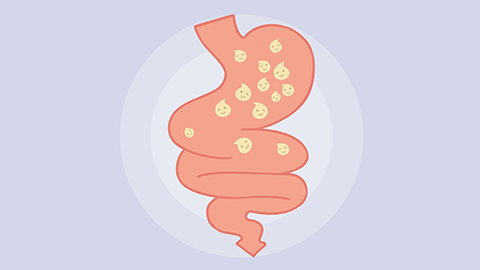
Additionally, incorporating lightly salted vegetables into the diet helps replenish electrolytes and prevent dehydration. Early initiation of gastric mucosal protective agents, oral rehydration salts, and appropriate antidiarrheal medications is recommended for symptomatic management. We hope this information proves helpful!


