


What tests are required for acute gastroenteritis?

Acute gastroenteritis is the most common gastrointestinal disorder, particularly prevalent during summer. It is frequently caused by consumption of contaminated food or water. Patients with acute gastroenteritis must seek hospital treatment as soon as possible after symptom onset. So, what diagnostic tests are required for acute gastroenteritis?
Diagnostic Tests for Acute Gastroenteritis
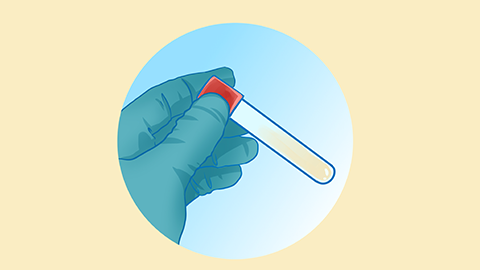
1. Complete blood count (CBC) and stool routine examination: After a physical examination, patients should undergo CBC and stool routine testing. Since most cases of acute gastroenteritis result from bacterial or viral infection, these two tests help determine whether the causative agent is bacterial or viral—enabling targeted antimicrobial or supportive therapy.
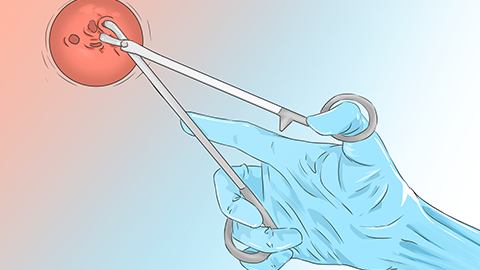
2. Gastrointestinal imaging studies: If the diagnosis remains unclear or the extent of disease cannot be determined following routine testing, gastrointestinal imaging may be necessary—including barium meal X-ray, computed tomography (CT), or upper gastrointestinal endoscopy (gastroscopy). These modalities provide detailed visualization of the intestinal lumen and surrounding structures, assisting clinicians in accurately assessing the location, extent, and severity of the lesion.
If acute gastroenteritis is confirmed, dietary modifications are essential: avoid spicy, irritating, raw, or cold foods, and increase fluid intake. Additionally, if symptoms such as nausea, vomiting, or diarrhea are severe, prompt medical evaluation—including CBC and stool analysis—is recommended. Intravenous (IV) rehydration may be necessary. Antibiotics—such as fluoroquinolones (e.g., norfloxacin or levofloxacin)—may be prescribed when bacterial infection is suspected or confirmed.
In cases of severe diarrhea leading to dehydration, timely fluid and electrolyte replacement therapy is critical. All medications should be used strictly as directed by a physician. We hope this information is helpful. Wishing you good health and happiness!


