


Can people with hemorrhoids eat eggs?
Aug 19, 2022
Source: Cainiu Health

Dr. Cheng Yicheng
Introduction
Patients with hemorrhoids may consume eggs in moderation. Hemorrhoids are primarily caused by dilation and tortuosity of the hemorrhoidal venous plexus, and their development is closely related to dietary habits. Consumption of spicy or pro-inflammatory foods can lead to constipation, which is a contributing factor to hemorrhoids. Eggs, however, are not spicy and do not irritate blood vessels; they are highly nutritious and provide the body with various essential nutrients.
Hemorrhoids are extremely common—there’s even a saying in Chinese: “Nine out of ten people suffer from hemorrhoids.” This highlights just how widespread the condition is. It’s important to recognize that hemorrhoids can cause significant discomfort and pain for patients, so vigilance is essential. If diagnosed with hemorrhoids, individuals should pay special attention to their diet and strictly avoid spicy foods such as chili peppers and black pepper. So, can people with hemorrhoids eat eggs?
Can people with hemorrhoids eat eggs?
Yes, individuals with hemorrhoids may consume eggs in moderation. Hemorrhoids primarily result from dilation and tortuosity of the hemorrhoidal venous plexus, and their development is closely linked to dietary habits. Consumption of spicy or pro-inflammatory foods may lead to constipation—a known contributing factor to hemorrhoids. Eggs, however, are not spicy and do not irritate blood vessels. Rich in high-quality nutrients, eggs provide multiple essential nutrients for the human body. Therefore, moderate egg consumption is acceptable for hemorrhoid patients—but excessive intake should be avoided. Additionally, incorporating more vegetables and fruits into the daily diet is recommended, as these foods are rich in dietary fiber, which promotes intestinal motility and ensures smooth bowel movements. Prolonged sitting or squatting should also be avoided.

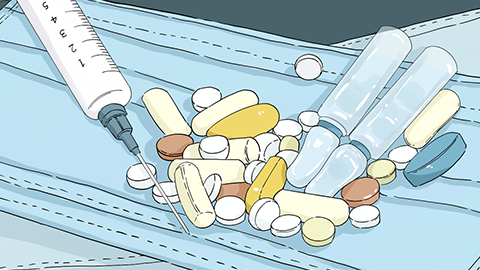
Patients with hemorrhoids should appropriately increase their intake of high-fiber foods and ensure adequate hydration. Incorporating coarse-grained foods into the diet is also beneficial. The primary purpose of consuming high-fiber fruits and vegetables is to prevent constipation and promote gastrointestinal motility. Moreover, patients should avoid spicy, irritating, and excessively cold foods, and minimize consumption of fried and grilled foods. While dietary adjustments are crucial, patients experiencing clinical symptoms should promptly seek pharmacological treatment. If medication proves ineffective or significantly impairs quality of life, surgical removal may be considered.
When hemorrhoid symptoms appear, prompt medical consultation is essential to prevent progression to more serious complications. We hope this information has been helpful to you.


