


What to Do for Acute Gastroenteritis and Abdominal Discomfort

Individuals suffering from acute gastroenteritis often experience abdominal discomfort, which can significantly interfere with normal work and daily life. What should one do when experiencing acute gastroenteritis? How can abdominal discomfort be alleviated?
Management of Acute Gastroenteritis
For patients with acute gastroenteritis experiencing abdominal discomfort, oral medications that suppress gastric acid secretion may help relieve symptoms. Commonly used drugs include omeprazole, pantoprazole, rabeprazole, and lansoprazole. Intestinal inflammation-relieving preparations such as Changyanling may also be taken orally to alleviate symptoms. In cases of diarrhea, smectite (e.g., Smecta®) can be administered for symptomatic relief, while bifidobacteria supplements may help restore intestinal flora balance. If the condition is caused by bacterial infection, antibiotics may be prescribed to control the infection.

In addition to pharmacological treatment, patients with acute gastroenteritis should pay close attention to dietary management. Avoid spicy, cold, unhygienic, or excessively greasy and hard-to-digest foods. Instead, opt for liquid or semi-liquid diets. However, during periods of severe symptoms, it is advisable to temporarily avoid placing additional burden on the gastrointestinal tract.Acute gastroenteritis may result from various causes, including abdominal exposure to cold (“abdominal cold”), ingestion of contaminated or spoiled food, or infection by pathogens such as bacteria, viruses, parasites, or fungi. It is a relatively common gastrointestinal disorder characterized by abdominal pain, nausea, vomiting, diarrhea, tenesmus (a sensation of incomplete evacuation), and—occasionally—fever.
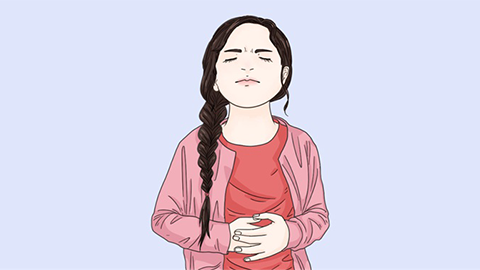
If acute gastroenteritis is confirmed to be bacterial in origin, antibiotic therapy is indicated to combat infection. For diarrhea, smectite may be used for symptomatic relief and to support intestinal flora regulation. Abdominal pain can be alleviated with acid-suppressing and gastric-protective agents such as omeprazole or pantoprazole. We hope this information proves helpful to you!


