


Gastroenteritis: What to Do When You Vomit Everything You Eat

Many patients with gastroenteritis experience “vomiting immediately after eating anything” during the acute phase of their illness. What should be done when a patient with gastroenteritis vomits everything they eat?
Management of “Vomiting Everything Eaten” in Gastroenteritis
When patients with gastroenteritis vomit everything they consume, treatment should include acid-suppressing medications and gastric mucosal protective agents, along with intravenous fluid therapy to maintain electrolyte and fluid balance and ensure adequate energy supply. This symptom indicates significant impairment of gastrointestinal function. Initially, pharmacologic management should focus on acid suppression and gastric mucosal protection—these interventions reduce gastric acid–induced injury to the gastric mucosa and help prevent further damage.
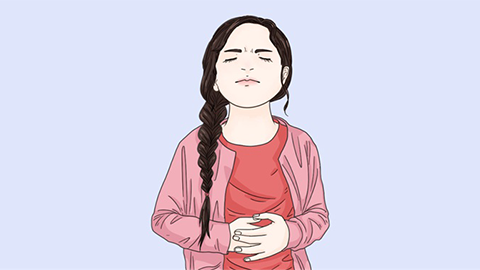
Moreover, because such patients cannot drink fluids normally, intravenous rehydration is required to replenish water, electrolytes, and energy—thereby preventing complications such as hypoglycemia and electrolyte imbalances. Patients with gastroenteritis should consume liquid or semi-liquid foods (e.g., rice porridge, noodles) and avoid fatty or high-protein foods that may exacerbate gastrointestinal burden. As gastrointestinal function gradually recovers, dietary consistency can be progressively advanced. Prominent gastroenteritis often manifests with vomiting. Acute gastroenteritis is typically characterized by sudden onset, frequent watery or egg-drop-like stools, and—in severe cases—fever, thirst, or even altered mental status. Physical examination may reveal tachycardia and periumbilical tenderness. Treatment must be tailored to the underlying etiology.
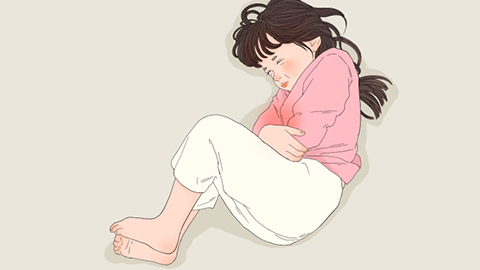
During the initial phase, patients should consume only liquids; if necessary, oral intake may be temporarily withheld. When oral rehydration is feasible, it should be prioritized—using an oral rehydration solution containing glucose and electrolytes (e.g., glucose-saline solution). In cases of confirmed bacterial infection, antibiotic therapy should be considered. Proton pump inhibitors (PPIs) may be appropriately used to suppress gastric acid secretion. For pronounced diarrhea, smectite may be administered for symptomatic control, and probiotics may be prescribed to restore intestinal microbial balance. We hope this information proves helpful!


