


Is gastroenteritis a gastric disease?

Gastroenteritis is an inflammatory disease of the digestive system caused by pathogenic microorganisms—including bacteria, viruses, or parasites—that affect the stomach and intestines. It may also be triggered by medications, chemical toxins, or radiation exposure. So, is gastroenteritis considered a gastric (stomach) disorder?
Is gastroenteritis a gastric disorder?
Yes, gastroenteritis is classified as a gastric disorder. It results from bacterial infection of the gastrointestinal tract. Gastroenteritis is categorized into acute and chronic forms. When affected, patients often experience impaired digestive function and symptoms such as epigastric pain, abdominal distension, diarrhea, nausea, and vomiting. Fever may also occur.
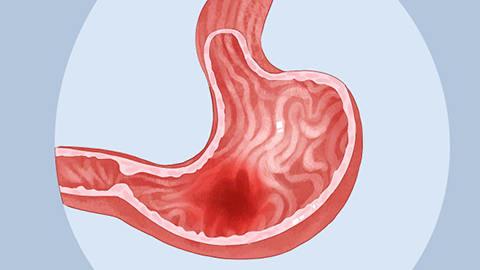
Common causes of gastroenteritis include ingestion of contaminated food or water and unregulated eating habits—either bacterial or viral infection may be responsible. A comprehensive evaluation incorporating complete blood count (CBC), electrolyte panel, C-reactive protein (CRP), routine stool examination, and stool culture helps guide diagnosis and management. Elevated CRP levels in conjunction with CBC findings may indicate infection, warranting antimicrobial therapy under physician supervision. Stool culture results should be carefully reviewed to select appropriate, sensitive antibiotics. Prolonged or excessive antibiotic use must be avoided, as it may lead to intestinal dysbiosis, secondary infections, or hepatic and renal impairment. Under medical guidance, adjunctive therapies—including antidiarrheal agents, antiemetics, probiotics, oral rehydration solutions (to maintain fluid and electrolyte balance), and other symptomatic supportive treatments—may also be prescribed.
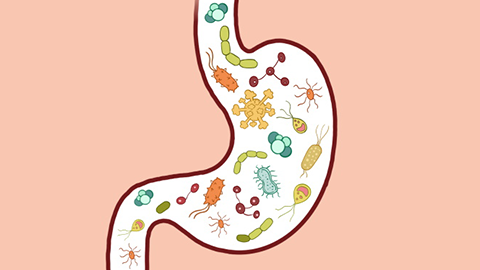
Dietary recommendations emphasize light, easily digestible foods. We hope this information is helpful to you.


