


Is electrotherapy effective for treating periarthritis of the shoulder?

As people age—or due to momentary inattention—the shoulder may sustain injury, and some individuals develop adhesive capsulitis (commonly known as “frozen shoulder”). This condition is extremely painful and significantly restricts shoulder mobility. Therefore, proactive prevention and daily care of the shoulder are essential. When necessary, medical evaluation and treatment at a hospital should be sought. So, is heat therapy (e.g., electric heating pad) effective for adhesive capsulitis?
Is Heat Therapy Effective for Adhesive Capsulitis?
For patients with adhesive capsulitis, heat therapy—such as using an electric heating pad—is indeed effective. Its therapeutic effect is comparable to that of hot-water-bottle application, warm salt packs, or infrared heat therapy. The primary mechanism involves thermal stimulation of the affected area, which helps dispel internal cold-dampness, improves local blood circulation, and thereby alleviates pain associated with adhesive capsulitis. This form of thermotherapy yields effects similar to those of topical analgesic patches—promoting blood circulation, resolving stasis, expelling wind, and dispelling cold. Clinically, it effectively relieves symptoms triggered by cold exposure, seasonal changes, or climatic fluctuations. In acute adhesive capsulitis, this heat therapy can facilitate absorption of inflammation and enhance local microcirculation, thus reducing pain. While this external treatment modality is simple to administer and carries no systemic side effects, caution must be exercised during application to avoid excessive temperature, which could cause skin burns.
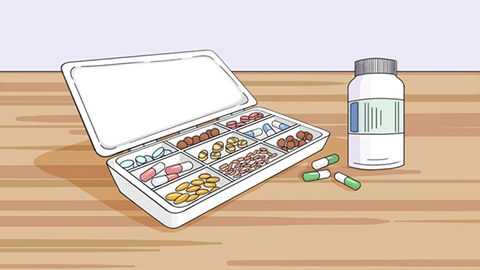
Diagnosis of adhesive capsulitis typically relies on imaging studies, and management often involves a comprehensive approach—including pharmacotherapy, physical therapy, and acupuncture—to alleviate symptoms. Patients commonly experience shoulder pain and marked restriction in range of motion; pain tends to be milder during the day but intensifies at night. Adhesive capsulitis is generally self-limiting and may resolve spontaneously over time; however, residual functional impairments frequently occur, necessitating targeted interventions. For instance, when pain is severe, nonsteroidal anti-inflammatory drugs (NSAIDs)—such as etoricoxib tablets or celecoxib capsules—may be prescribed orally for their anti-inflammatory and analgesic effects. Local physical therapies—including extracorporeal shockwave therapy, ultra-short wave therapy, and ultrasound therapy—can also effectively reduce joint inflammation, improve local circulation, and relieve pain. Integrating acupuncture, massage (tuina), and structured shoulder joint functional exercises further enhances joint mobility and helps prevent disease progression. All medications must be used strictly under physician supervision; self-medication is strongly discouraged.

Once symptoms of adhesive capsulitis appear, prompt medical consultation is crucial to prevent disease progression. We hope this information proves helpful to you.


