


What Foods Are Beneficial for Preventing Cerebral Infarction?

The incidence of ischemic stroke appears to be continuously rising—particularly over the past two years, with an increasing number of confirmed cases even among young adults. Ischemic stroke often causes severe complications and, in some instances, may endanger life. Therefore, proactive prevention is essential in daily life, and dietary regulation is one effective preventive measure. So, what foods are beneficial for preventing ischemic stroke?
What Foods Are Beneficial for Preventing Ischemic Stroke?
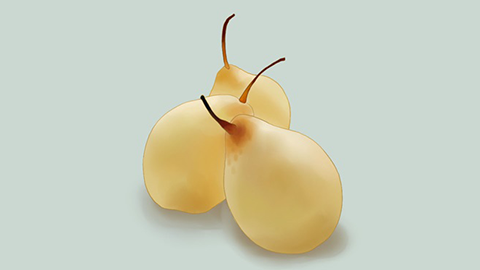
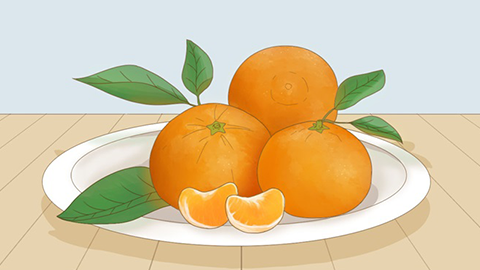
To help prevent ischemic stroke, individuals may consume pears, oranges, watermelons, persimmons, and jujubes. Foods rich in amino acids can help soften blood vessels. For example, papaya, pomegranate, and strawberries—abundant in vitamins and pectin—can help prevent atherosclerosis and thus offer significant protective benefits. Patients should also increase their intake of vegetables and fruits, bananas, potatoes, and other high-fiber foods; consume milk, soy products, or related dairy alternatives daily; and regularly eat moderate amounts of fish, poultry, eggs, and lean meat—while limiting intake of fatty meats, animal skin, and meat-based dishes. Maintaining a balanced level of physical activity is crucial to achieving and sustaining a healthy body weight. A low-salt, low-sugar, light diet is recommended, with daily salt intake reduced to approximately 6 grams.
Patients with ischemic stroke should avoid greasy, sweet, and salty foods; limit consumption of sweets and cream cakes; and avoid meats prepared with excessive sauces, pickles, or similar condiments. Additionally, many people enjoy eating organ meats—such as heart, liver, kidney, lung, and brain—but these contain extremely high levels of cholesterol. Regular consumption may trigger headaches and elevate blood viscosity; therefore, patients with ischemic stroke should strictly avoid such foods, as they may exacerbate the condition. Spicy foods—including baijiu (Chinese distilled liquor) and spicy hotpot—should also be avoided. Ischemic stroke commonly results from long-term overconsumption of high-fat, high-calorie foods, leading to nutritional excess, lipid deposition on arterial walls, and eventual vascular occlusion.
When symptoms of ischemic stroke appear, prompt medical attention is critical to prevent disease progression. We hope this information proves helpful to you.


