


What Is the Difference Between Gastroenteritis and Gastric Disorders?

Gastroenteritis and gastric disorders are both diseases affecting the digestive system. Although both involve the stomach and intestines, they are distinct conditions. So, what is the difference between gastroenteritis and gastric disease?
What Is the Difference Between Gastroenteritis and Gastric Disease?
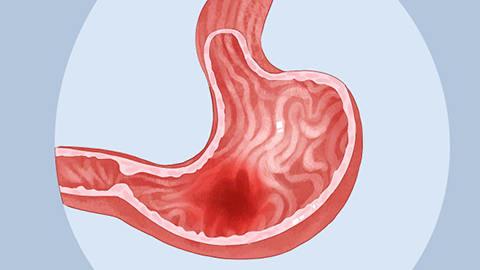
Gastroenteritis and gastric disease are not the same. “Gastric disease” is a general term encompassing all conditions affecting the stomach—including gastritis, gastric polyps, and gastric ulcers. In contrast, gastroenteritis typically results from inflammation of the gastric mucosa combined with pathological changes in the intestinal mucosa, manifesting as abdominal pain, bloating, nausea, vomiting, and gastroesophageal reflux.
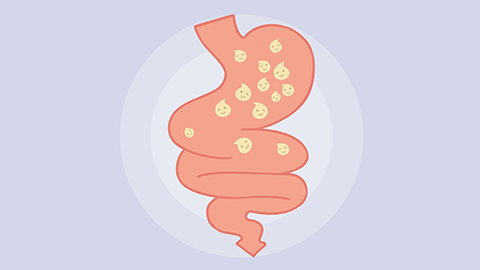
Gastroenteritis has numerous potential causes. Common symptoms include upper abdominal discomfort or pain—often described as distending or burning—and worsening after meals. Nausea and loss of appetite frequently occur, sometimes accompanied by diarrhea. Depending on the underlying cause, systemic symptoms such as gastrointestinal bleeding, fever, chills, dehydration, and headache may also appear. Typical manifestations of gastroenteritis include severe vomiting and diarrhea, usually associated with crampy abdominal pain. Fever and sweating are common. Prolonged, substantial fluid loss may lead to dehydration—and even shock. Small amounts of blood may be present in vomitus or stool. Symptoms such as vomiting and diarrhea generally resolve within two to four days but may persist longer.
During active illness, attention should be paid to dietary habits: maintain regular mealtimes, avoid overeating or eating too quickly, and chew food thoroughly and slowly. Choose light, easily digestible foods, and consume plenty of fruits and vegetables. If symptoms are severe, consult a physician for appropriate pharmacological treatment. We hope this information is helpful. Wishing you good health and happiness!


