


What Foods Should Be Avoided in Chronic Gastroenteritis?

Chronic enteritis is very common in daily life, and dietary management is essential. Certain foods—particularly those with irritant properties—can exacerbate symptoms such as abdominal pain and diarrhea. So, which foods should be avoided by individuals with chronic gastroenteritis?
Foods to Avoid with Chronic Gastroenteritis
1. Fried and greasy foods—including lard, fried snacks, fatty meats, rich broths, animal fats, and foods from street vendors or small restaurants.
2. Unsanitary, spoiled, pickled, leftover (overnight), or frozen foods. Also avoid raw fruits and vegetables, as well as cold seafood.
3. Strongly acidic or highly irritating foods—such as mustard and chili peppers.
4. Avoid smoking and alcohol consumption. Also refrain from eating hard, raw, or difficult-to-digest foods—such as fried or smoked items.
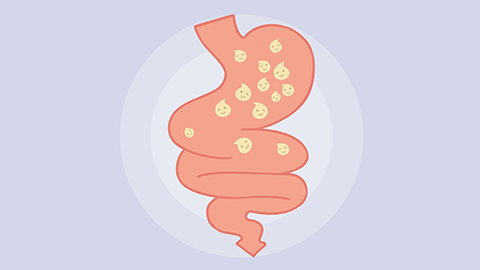
The primary symptoms of chronic gastroenteritis include abdominal pain, diarrhea, nausea, vomiting, gastroesophageal reflux, heartburn, abdominal distension, weight loss, loss of appetite, emaciation, and fatigue. As the disease progresses, additional manifestations may appear—such as melena (black tarry stools), hematemesis (vomiting blood), hematochezia (blood in stool), palpable abdominal masses, or mucoid bloody stools. Severe malnutrition may also lead to palpitations and night sweats.
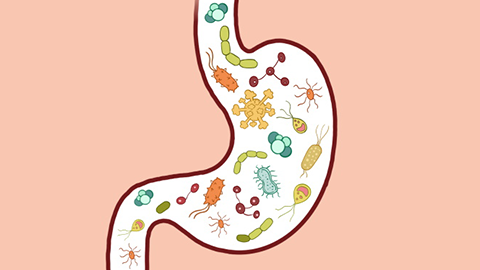
It is important to cultivate healthy eating habits in daily life. For example, drink a small amount of thin porridge before meals; eat slowly; avoid excessively hot or cold foods; and maintain regular, portion-controlled mealtimes. In treating chronic enteritis, medications should be selected based on the underlying cause and administered under the guidance of a physician. We hope this information is helpful. Wishing you good health and a joyful life.


