


Symptoms and Treatment of Acute Gastroenteritis in Infants

It is widely known that young children have relatively weak immune systems, and inappropriate diet can trigger certain illnesses. When a child experiences abdominal pain, parents often worry it may be acute gastroenteritis. So, what are the symptoms and treatment options for acute gastroenteritis in young children?
Symptoms and Treatment of Acute Gastroenteritis in Young Children
Symptoms of acute gastroenteritis commonly include abnormal bowel movements—specifically, an increased frequency of stools that become watery or resemble egg drop soup. These changes reflect abnormal defecation, often accompanied by vomiting. Some affected children may also develop fever of varying severity, potentially indicating bacterial infection; in such cases, probiotic solutions may help regulate gastrointestinal function.Treatment for acute gastroenteritis may involve pharmacotherapy or traditional Chinese medicine (TCM) pattern differentiation and treatment, with specific interventions determined by physicians based on clinical presentation.
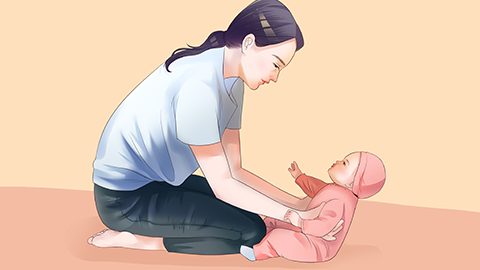
Attention must be paid to preventing acute gastroenteritis through proper food preparation and dietary control. Indigestion can easily lead to abdominal pain, constipation, or gastroenteric influenza. The primary causes are gastrointestinal functional impairment and triggering factors. Parents should closely monitor their child’s overall condition. For instance, loose stools combined with a thick, yellow, greasy tongue coating indicate the need for gastrointestinal regulation in children.

Pediatric gastroenteritis is often associated with consumption of unclean or unsuitable foods. Meals should be light and easily digestible; children should chew thoroughly and eat slowly, avoiding raw, cold, spicy, or otherwise irritating foods. Keeping warm to prevent colds is also important. Handwashing before meals and after using the toilet is essential, and cultivating good hygiene habits is crucial. We hope this information proves helpful!


