


What Should You Do for Acute Gastroenteritis?

Irregular eating habits may trigger acute gastroenteritis. If left untreated, acute gastroenteritis can progress to gastritis. So, what should be done for acute gastroenteritis?
Management of Acute Gastroenteritis
The first step in managing acute gastroenteritis is to eliminate the underlying cause—discontinue all foods and medications that irritate the stomach. A short-term fast is advisable, followed by a gradual reintroduction of easily digestible, bland, low-residue liquid or semi-liquid foods. This approach supports gastric rest and facilitates healing of gastric mucosal injury. Most importantly, active gastrointestinal rest is essential.
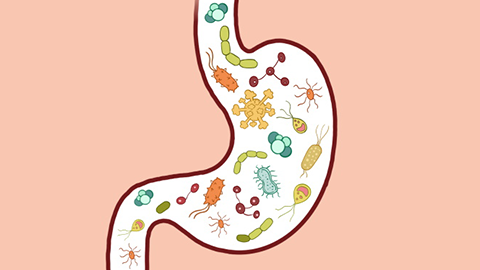
Patients should drink plenty of fluids, as frequent diarrhea and vomiting lead to significant fluid loss. Oral rehydration with oral rehydration solution (ORS)—prepared by dissolving appropriate amounts of salt and sugar in boiled water—is recommended. Avoid excessive intake of sugary drinks, as this may exacerbate gastric distress and worsen abdominal pain or vomiting. After vomiting, patients should sip small amounts of fluids frequently to prevent further dehydration and reduce the risk of recurrent vomiting. For pain relief, antispasmodic agents such as scopolamine, atropine, or anisodamine (654-2) may be used. Local abdominal heat application may also help alleviate abdominal discomfort. In cases of acute gastroenteritis accompanied by diarrhea and fever, antimicrobial agents such as berberine or norfloxacin may be prescribed, based on clinical judgment and local guidelines.

If severe vomiting and diarrhea lead to signs of dehydration (e.g., dry mouth, decreased urine output, dizziness, or lethargy), immediate medical attention is required, and intravenous fluid replacement should be initiated at a hospital. Prevention of acute gastroenteritis is crucial: avoid alcohol consumption, overeating, or irregular meals. Also, avoid medications that may damage the gastric mucosa unless prescribed and monitored by a physician. Prompt and appropriate treatment of acute gastroenteritis is essential to prevent progression to chronic disease. We hope this article has been helpful. Wishing you a joyful life and good health!


