


What should I do if I have gastroenteritis with fever?

In daily life, some individuals may experience gastrointestinal discomfort, loss of appetite, and recurrent fever. Upon medical examination, they are diagnosed with gastroenteritis-associated fever. So, what should one do when experiencing gastroenteritis-related fever?
How to Manage Gastroenteritis-Associated Fever
Physical cooling methods can be employed for gastroenteritis-associated fever—for instance, wiping the limbs and forehead with lukewarm water or applying fever-reducing patches to lower body temperature. Pharmacological treatment is also an option: under a physician’s guidance, oral administration of ibuprofen granules or similar antipyretics may be recommended. Additionally, patients should drink ample warm water to prevent dehydration.

Gastroenteritis-associated fever is often linked to dietary habits. Consumption of unclean food contaminated with bacteria or parasites may lead to intestinal infection and subsequent viral fever. Overeating may also contribute—excessive food accumulation in the gastrointestinal tract impairs digestion, generating excess internal heat and elevating body temperature, thereby triggering gastroenteritis-related fever.
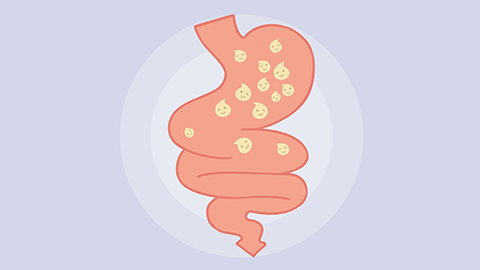
Patients with gastroenteritis-associated fever should adopt a balanced diet. Specifically, they should minimize or avoid foods that are difficult to digest, as well as spicy, raw, cold, or otherwise irritating items—such as chili peppers, raw garlic, ice cream, and cold dishes—as these may further irritate the gastrointestinal tract and exacerbate symptoms. Instead, a light, easily digestible diet is recommended, including congee (rice porridge), yam-millet congee, noodles, or vermicelli. Patients should also consume fresh fruits regularly, such as oranges, mangoes, papayas, and kiwifruits. We hope this information proves helpful!


