


What is the difference between “enterogastritis” and “gastroenteritis”?

Both gastroenteritis and enterogastritis are conditions caused by gastric injury and commonly cause gastric discomfort in affected individuals. So, what is the difference between gastroenteritis and enterogastritis?
What Is the Difference Between Gastroenteritis and Enterogastritis?
Gastroenteritis and enterogastritis are essentially identical in clinical presentation and pathology. Gastroenteritis most commonly results from colds or ingestion of contaminated food. It may be caused by either bacterial or viral infection. Typical symptoms include upper abdominal pain, nausea, and diarrhea; some patients may also experience fever, severe gastroenteritis, or dehydration.
Enterogastritis—often presenting with gastrointestinal symptoms—may cause diarrhea, abdominal pain, increased bowel movement frequency, and stools containing mucus, pus, or blood.
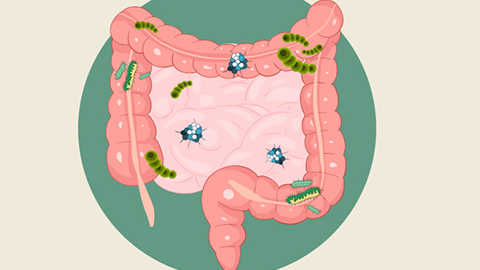
Treatment for gastroenteritis includes both general supportive measures and pharmacotherapy. General management involves avoiding fried, spicy, cold, highly stimulating, or overly acidic foods that are difficult to digest; abstaining from strong tea, tobacco, and coffee; and, when necessary, implementing a short-term fasting period to allow the gastrointestinal tract adequate rest. Pharmacological treatment for enteritis and enterogastritis should be tailored to the underlying cause and specific symptoms—commonly including antidiarrheal agents, probiotics or other microbiota-modulating drugs, and antispasmodics for pain relief. Patients with enteritis or enterogastritis must also take precautions against complications such as dehydration and electrolyte imbalances. For those experiencing nausea or vomiting due to enterogastritis, gastric-protective medications are recommended; for abdominal pain and diarrhea, antispasmodic therapy may be appropriate.
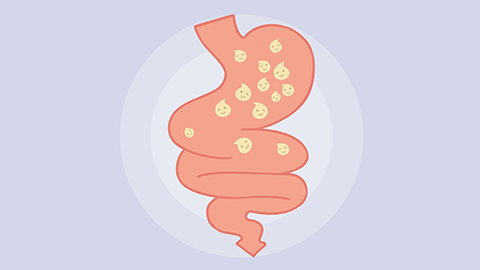
Patients with gastroenteritis are advised to consume rice water, vegetable broth, congee (rice porridge), and udon noodles. As symptoms improve, they may gradually transition from liquid or semi-liquid diets back to regular meals.
We hope this article has been helpful. Wishing you a joyful life and good health!


