


Is corticosteroid injection therapy effective for tenosynovitis?

Tenosynovitis is most common among middle-aged and elderly women, as they frequently perform household chores and engage in extensive hand activities; over time, these repetitive motions can easily lead to tenosynovitis. Tenosynovitis is a prevalent condition in modern society, typically resulting from chronic traumatic inflammation caused by excessive friction within the tendon sheath. So, is corticosteroid injection (“block injection”) an appropriate treatment for tenosynovitis?
Is Corticosteroid Injection Effective for Tenosynovitis?
Corticosteroid injection is relatively effective for tenosynovitis. This condition impairs finger flexion and extension due to aseptic (non-infectious) inflammation of the tendon sheath; therefore, corticosteroid injection therapy is entirely appropriate. However, complications may arise if such injections are overused or administered without strict adherence to clinical indications—potentially leading to serious adverse effects. Provided strict aseptic technique is maintained, corticosteroid injection remains a minimally invasive, highly effective therapeutic option.

Since tenosynovitis stems from inflammation of the tendon sheath—primarily triggered by irritation that causes edema and hyperplasia of the sheath—local inflammatory responses develop, resulting in significant pain. Patients may be treated with nonsteroidal anti-inflammatory drugs (NSAIDs) or glucocorticoids. Particularly in cases of tenosynovitis, localized corticosteroid injection is highly effective, enabling excellent control of inflammation and facilitating its resolution.
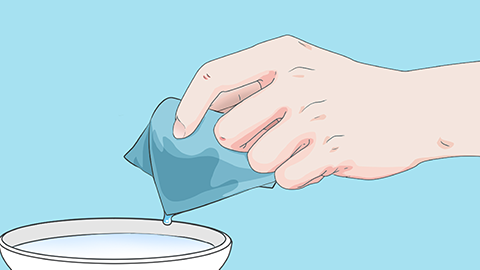
Patients with tenosynovitis should minimize frequent activity involving the affected area, protect the involved joint, avoid cold exposure or excessive strain, ensure adequate rest, and maintain a nutrient-rich diet. We hope this information proves helpful.


