


How to Prevent Tenosynovitis
Aug 20, 2022
Source: Cainiu Health

Dr. Lin Yunfei
Introduction
For tenosynovitis, it is important to keep the affected area warm and protected from cold. Applying appropriate heat therapy to the wrist is a good option. In air-conditioned rooms during summer, wearing a wrist brace can help prevent wrist chilling. In winter, when going outdoors, ensure your wrists stay warm to avoid frostbite or stiffness. If your hands become cold, promptly warm them and apply heat therapy. Avoid maintaining the same posture for prolonged periods—especially for office workers who sit at computers for extended durations.
The tendon sheath is a double-layered, tubular, closed synovial membrane structure enveloping the tendon, serving as a protective synovial sheath for the tendon. It consists of two layers surrounding the tendon; the space between these layers—the synovial cavity—is filled with synovial fluid secreted by the tendon sheath. The inner layer adheres closely to the tendon surface, while the outer layer is lined by the fibrous tendon sheath, which anchors to the bone surface. This arrangement functions to stabilize, protect, and lubricate the tendon, preventing friction or compression.
How to Prevent Tenosynovitis
Preventing tenosynovitis involves maintaining warmth and avoiding cold exposure—particularly around the wrist—and applying appropriate local heat therapy is highly recommended. During summer, when working in air-conditioned environments, wearing a wrist brace can help prevent chilling of the wrist. In winter, ensure adequate wrist insulation during outdoor activities to avoid frostbite or stiffness. If your hands become cold, promptly warm them and apply localized heat therapy. Avoid prolonged static postures—especially important for office workers who sit at computers for extended periods. Schedule regular full-body movement breaks, with particular attention to wrist mobility.

Housewives performing household chores—such as hand-washing clothes—should pay attention to proper finger and wrist positioning, avoiding excessive flexion or extension. New mothers should minimize prolonged infant-carrying. Avoid overexertion: after sustained physical activity, take rest breaks and perform gentle exercises targeting all body parts—including wrists and other joints. Soaking hands and feet in warm, bubbly water before bedtime helps relax tense muscles and enhances local blood circulation.
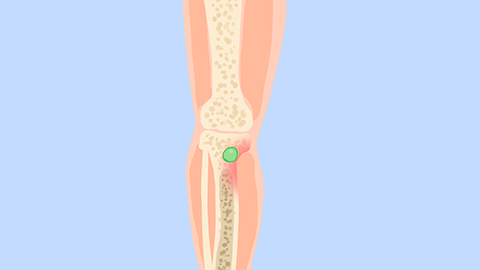
Patients are advised to avoid excessive physical strain. Initial management may include local heat application and temporary immobilization of the affected area—this early intervention can effectively prevent the onset of wrist tenosynovitis. We hope this information proves helpful to you.


