


Can people with diabetes consume peach gum, Gleditsia seed, and silver ear fungus soup?

Soapberry (Gleditsia sinensis) soup is a common dessert, rich in nutrients and characterized by its mellow, full-bodied flavor. Can individuals with diabetes consume peach gum, soapberry seed, and silver ear fungus soup?
Can individuals with diabetes consume peach gum, soapberry seed, and silver ear fungus soup?
Yes, individuals with diabetes may consume peach gum, soapberry seed, and silver ear fungus soup—but moderation is essential. This dessert is widely enjoyed for its excellent taste and numerous health benefits. Notably, it may aid weight management, particularly for individuals who are overweight or obese. Additionally, it helps lower blood glucose and blood pressure levels, offering significant preventive benefits for diabetes. Therefore, incorporating this dessert into one’s regular diet is generally acceptable. However, excessive consumption should be avoided, as this warming food may easily cause “heatiness” (a traditional Chinese medicine concept referring to symptoms such as sore throat, acne, or irritability) when consumed in excess.
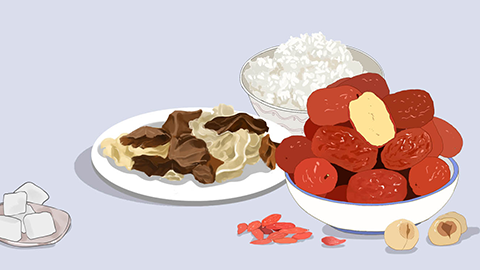
Dietary considerations for individuals with diabetes: Ensure adequate intake of dietary fiber and vitamins. High-fiber foods slow down the digestion and absorption of carbohydrates, thereby helping stabilize blood glucose levels. Since reduced food intake may lead to insufficient vitamin and trace mineral intake, consuming ample fresh vegetables is recommended. Fruits contain relatively high amounts of fructose; thus, they should be avoided when blood glucose control is suboptimal.

Patients should engage in moderate physical activity in daily life—but avoid prolonged or intense exercise, and maintain consistency in exercise intensity. Exercise is not advisable when blood glucose levels are significantly elevated or depressed, as it may further exacerbate hyperglycemia or hypoglycemia. We hope this information proves helpful. Wishing you good health and a joyful life!


