


Can people with eczema drink alcohol?
Aug 21, 2022
Source: Cainiu Health

Dr. Liu Wan
Introduction
Eczema patients must avoid alcohol. Alcohol, pepper, raw onions, ginger, garlic, and other foods can exacerbate or trigger eczema; therefore, individuals with eczema should abstain from alcohol during active disease flares. Some patients may experience allergic reactions after drinking alcohol, and for most, consuming alcohol during a flare-up will worsen their condition. In addition to avoiding alcohol, eczema patients should also steer clear of spicy and irritating foods—such as seafood, cow’s milk, and soy milk.
In daily life, many people encounter difficult-to-treat skin conditions. The pain and itching during flare-ups can be unbearable. Eczema is a common condition; however, many individuals may lack sufficient knowledge about it, leading to misconceptions and inappropriate self-management. So, can people with eczema drink alcohol?
Can people with eczema drink alcohol?
No, people with eczema should avoid alcohol. Alcohol, pepper, raw onions, ginger, garlic, and other foods may exacerbate existing eczema or trigger new flare-ups; therefore, individuals with active eczema must abstain from alcohol. Some patients may develop allergic reactions after drinking, and for most, alcohol consumption during a flare-up will worsen their symptoms. In addition to avoiding alcohol, eczema patients should also steer clear of spicy and irritating foods—such as seafood, cow’s milk, soy milk, and nuts—as these high-protein foods may aggravate the condition. Furthermore, patients should take care to protect their skin, maintain adequate hydration, and prevent dryness.
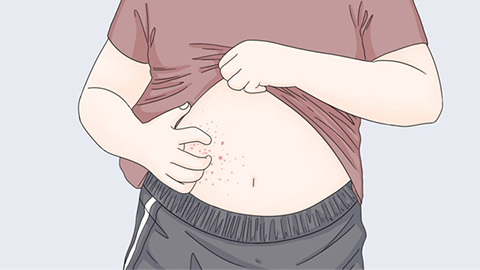
Eczema is an inflammatory skin disorder affecting the epidermis or superficial dermis, caused by various internal and external factors. It is classified into three types: acute, subacute, and chronic eczema. Its hallmark features include polymorphic lesions—such as erythema, papules, vesicles, erosions, and exudation. Depending on the affected area, eczema presents with distinct clinical characteristics—for example, hand eczema, perianal eczema, and mammary eczema.
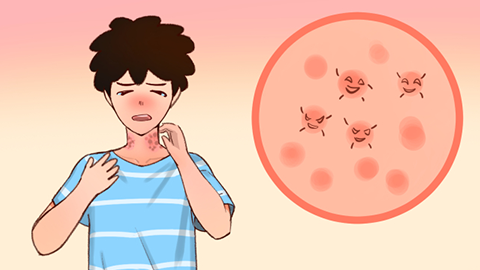
In daily life, patients should maintain a positive mindset, actively cooperate with their physicians’ treatment plans, take prescribed medications consistently and as directed, and pay close attention to routine skincare—so that improvement occurs as rapidly as possible. We hope this information proves helpful.


