


Can iodophor be used to disinfect athlete’s foot?
Aug 22, 2022
Source: Cainiu Health

Dr. Liu Wan
Introduction
Iodophor can be used to disinfect athlete’s foot. However, iodophor has relatively weak antifungal activity and is generally ineffective for treating athlete’s foot. It is primarily used for disinfection—e.g., wiping areas affected by athlete’s foot that exhibit skin breakdown, erosion, or ulceration. Medically, athlete’s foot is known as tinea pedis, a fungal infection. For treatment, topical antifungal medications are the first-line therapy.
We all know that athlete’s foot (tinea pedis) is a contagious disease that is difficult to eradicate once contracted. Symptoms often recur repeatedly, causing considerable inconvenience in daily life. Itching is a common symptom, and the condition can pose significant health risks. Therefore, effective treatment methods are essential for managing this condition. So, can iodophor be used to disinfect athlete’s foot?
Can Iodophor Be Used to Disinfect Athlete’s Foot?
Yes, iodophor can be used for disinfection in cases of athlete’s foot. However, its antifungal activity is relatively weak, making it unlikely to achieve satisfactory therapeutic outcomes when used alone for treating athlete’s foot. Its primary role is limited to disinfecting areas affected by athlete’s foot where skin breakdown, erosion, or ulceration is present—such sites may be gently wiped with iodophor. Medically, athlete’s foot is known as tinea pedis—a fungal infection. First-line treatment involves topical antifungal agents applied consistently for at least four weeks. Mild cases may be fully cured with this approach. In more severe or extensive cases—characterized by blisters, intense itching, scaling, and involvement not only between the toes but also on the soles of the feet—combination therapy with oral antifungal medications is recommended. Commonly prescribed options include terbinafine hydrochloride tablets or itraconazole capsules. All medications must be taken under the guidance of a physician; self-medication is strongly discouraged.
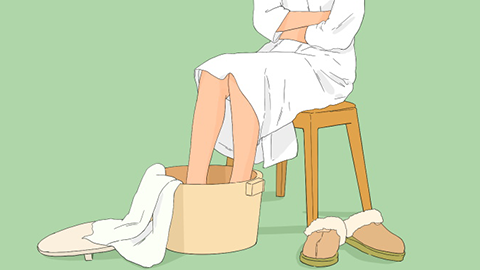
Treating athlete’s foot is actually straightforward—the key lies in proper care. Since athlete’s foot results from fungal infection, it manifests in various clinical forms—including vesicles, erosions, and scaly hyperkeratosis—thus allowing classification into distinct subtypes. Topical treatments such as clotrimazole cream or terbinafine hydrochloride cream are commonly used. If erosion is present, ointments should be avoided; instead, terbinafine hydrochloride solution may be applied topically. Note that standard treatment for athlete’s foot requires continuous application for at least two weeks. Shorter durations increase the risk of residual fungi and subsequent relapse. Regarding daily care, socks should be changed and washed daily. Whenever possible, opt for well-ventilated footwear. Thick, non-breathable shoes combined with excessive sweating are direct contributors to athlete’s foot. In daily life, consuming more vegetables is also advisable.

When symptoms of athlete’s foot appear, prompt medical consultation is essential to prevent disease progression. We hope this information proves helpful to you.


