


Can patients with diabetic diarrhea take Huoxiang Zhengqi Water?

Diarrhea is common among diabetic patients with poor glycemic control. Hyperglycemia can disrupt gastrointestinal function, thereby triggering diarrhea. So, can patients with diabetic diarrhea take Huoxiang Zhengqi Water?
Can patients with diabetic diarrhea take Huoxiang Zhengqi Water?
Yes—patients with diabetes who experience diarrhea may take Huoxiang Zhengqi Water. This traditional Chinese medicine formulation helps resolve dampness, regulate Qi, and harmonize the middle burner (spleen and stomach). It is particularly effective for conditions involving external cold invasion, internal injury, damp stagnation, excessive cold-dampness, headache, abdominal distension and pain, and diarrhea. Huoxiang Zhengqi Liquid may also be used topically to treat localized fungal infections such as tinea manuum (hand fungus), tinea pedis (athlete’s foot), tinea capitis (scalp ringworm), and onychomycosis (fungal nail infection). While taking this medication, patients should avoid spicy and irritating foods. Patients with hypertension should use Huoxiang Zhengqi Water only under medical supervision to prevent adverse events.
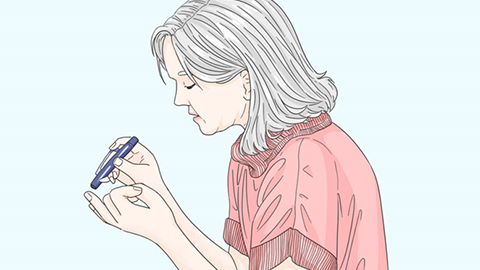
Diarrhea in diabetic patients can be managed pharmacologically. Typically, treatment aims to alleviate the impact of hyperglycemia on intestinal nerve function—achieving optimal glycemic control through either oral hypoglycemic agents or insulin therapy. Neurotrophic medications—including mecobalamin, epalrestat, and alpha-lipoic acid—may also be prescribed. In certain cases, antimicrobial agents such as fluoroquinolones may be indicated.

In daily life, diabetic patients should maintain a light, balanced diet; adhere to regular sleep-wake cycles; engage in appropriate physical activity; and strive to improve overall physical fitness—all of which contribute to better glycemic control. We hope this information is helpful. Wishing you good health and a joyful life!


