


Is coronary heart disease the same as heart disease?

Coronary heart disease (CHD) is currently a highly prevalent condition that poses a serious threat to patients’ lives and health, often leading to functional impairments in daily life. Even after the disease is brought under control, severe cases may still result in long-term complications—a fact that must not be overlooked. So, is coronary heart disease the same as heart disease?
Is Coronary Heart Disease the Same as Heart Disease?
Yes, coronary heart disease is a type of heart disease. Heart disease is an umbrella term encompassing various cardiac conditions, including CHD; thus, a diagnosis of CHD inherently means the patient has heart disease. To diagnose CHD, coronary angiography is typically performed, supplemented by other diagnostic tests such as electrocardiography (ECG), color Doppler echocardiography, and chest X-ray. A comprehensive evaluation of the clinical condition is essential to guide appropriate therapeutic interventions. Patients with CHD should maintain a positive emotional state and avoid anger or excessive physical or mental exertion.
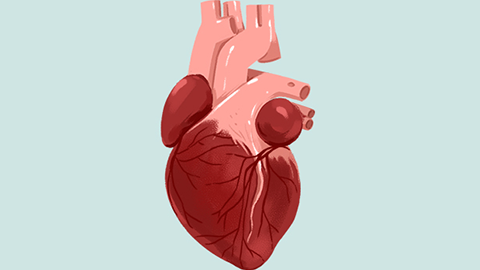
Coronary heart disease is indeed a form of heart disease. Generally speaking, “heart disease” refers to a broad category of cardiac disorders arising from diverse etiologies—including pericardial diseases and primary structural abnormalities of the heart. CHD specifically denotes coronary artery atherosclerotic heart disease, characterized by narrowing of the coronary arteries and resultant myocardial ischemia. Clinically, diagnosis of CHD begins with correlation of the patient’s symptoms; typical manifestations include crushing retrosternal chest pain, often triggered by emotional excitement or physical exertion.
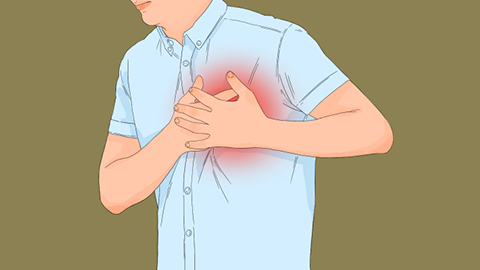
Patients with CHD should adopt a rational dietary pattern to prevent overweight. It is recommended to eat smaller, more frequent meals—stopping at 70–80% satiety—and to follow a low-salt, low-fat, low-sugar, and low-calorie diet. Increasing intake of foods rich in plant-based dietary fiber is also encouraged. Additionally, foods known to lower blood lipid levels and protect cardiovascular and cerebrovascular health may be included in the diet. We hope this information proves helpful to you.


