


Is it safe for people with diabetes to consume Cistanche?

Due to dietary patterns, hyperglycemia is relatively common, and diabetes has consequently drawn increasing public attention. Dietary management in diabetes requires careful consideration of numerous factors. So, can people with diabetes consume Cistanche (Cistanche deserticola)?
Can people with diabetes consume Cistanche?
Cistanche is generally not recommended for individuals with diabetes. As a traditional Chinese herb, Cistanche is sweet and salty in flavor and warm in nature; it tonifies kidney yang and nourishes essence and blood. However, many diabetic patients present with yin deficiency and hyperactive fire, and consuming Cistanche may exacerbate symptoms associated with deficient fire. Therefore, it is typically contraindicated. Diabetic patients should avoid using Cistanche indiscriminately. Given the complexity of dietary considerations in diabetes management, individuals must first understand their own constitution and consult qualified healthcare professionals before taking Cistanche.

Many diabetic patients believe that reducing staple food intake helps prevent elevated blood glucose levels—however, this is not accurate. Such restrictive practices may instead trigger hypoglycemia and excessive breakdown of bodily proteins, potentially leading to malnutrition. It is therefore essential to maintain regular, balanced meal schedules. Diabetes is a metabolic disorder caused by impaired insulin secretion or action. Because diabetes increases the risk of cardiovascular and cerebrovascular complications, fat intake should be limited to prevent hyperlipidemia. Low-protein foods are acceptable; however, excessive protein consumption may impose additional strain on the kidneys. Thus, low-protein dietary options are recommended.
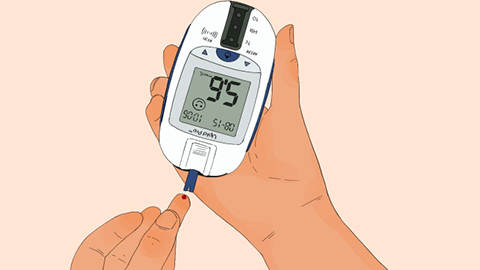
In daily life, individuals with diabetes should develop personalized dietary plans based on their body weight and select foods with low glycemic indices. Physical activity should follow the principle of gradual progression—allowing the body to adapt gradually and steadily enhancing exercise capacity—thereby supporting optimal blood glucose control. We hope this information proves helpful. Wishing you good health and a joyful life!


