


Is hypertension a genetic disorder?

With societal development, people are experiencing increasing work-related stress. Combined with long-term irregular eating and sleeping habits, alcohol consumption, smoking, and aging, many individuals develop hypertension. Dizziness is a primary symptom of this condition and warrants special attention. So, is hypertension a hereditary disease?
Is Hypertension a Hereditary Disease?
Hypertension is not a hereditary disease, but it does exhibit a certain degree of familial aggregation. It is associated with prolonged irregular lifestyle and dietary patterns, as well as genetic factors within families. Once diagnosed with hypertension, patients must seek treatment at a reputable hospital—never rely on folk remedies or health supplements. Under a physician’s guidance, long-term, regular antihypertensive medication should be taken to maintain blood pressure within the normal range.

Hypertension is not a hereditary disease, yet it does demonstrate a genetic predisposition. In other words, if one parent has hypertension, their children face an increased risk of developing the condition—but this does not guarantee that they will inevitably develop it. The onset of hypertension is linked to various postnatal environmental factors, psychological stress, high-salt diets, chronic mental stress, obesity, and obstructive sleep apnea syndrome. Additionally, secondary hypertension—elevated blood pressure caused by specific underlying diseases—has no clearly established relationship with genetics.
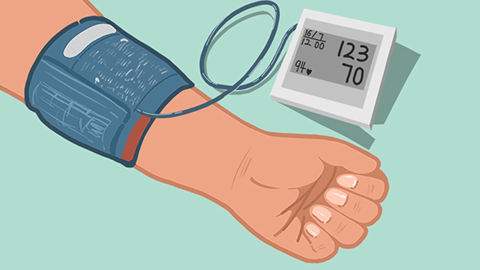
In daily life, maintaining regular work and rest schedules helps prevent prolonged mental tension and anxiety. Smoking must be avoided, and a low-salt, low-fat diet is recommended—these measures significantly reduce the risk of hypertension.


