


Can patients with tuberculosis complicated by diabetes consume crucian carp soup?

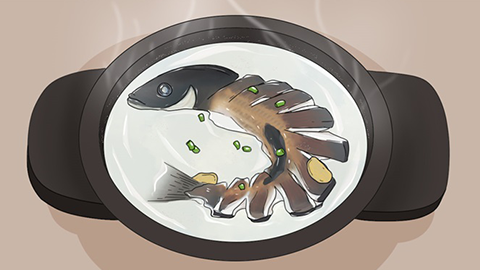
Silver carp soup is rich in protein, which helps enhance skin elasticity and alleviate wrinkles caused by stress and sleep deprivation. Can patients with concurrent tuberculosis and diabetes consume silver carp soup?
Can patients with concurrent tuberculosis and diabetes consume silver carp soup?
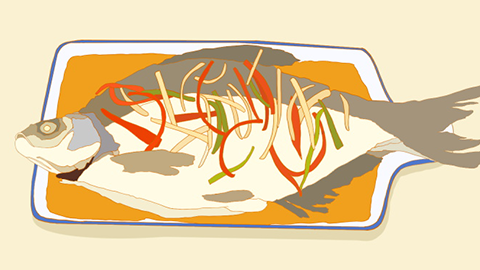
Patients with pulmonary tuberculosis and diabetes may consume silver carp soup. A history of both pulmonary tuberculosis and diabetes is common, as individuals with diabetes often exhibit reduced immune resistance, rendering them more susceptible to infections such as tuberculosis. In such cases, standardized pharmacological treatment is essential. Concurrently, efforts should be made to strengthen the body’s immune defenses—particularly through increased intake of high-protein foods. Fish provides high-quality protein; thus, both diabetic and tuberculosis patients may safely consume fish. However, during preparation, spicy seasonings should be avoided. Both pulmonary tuberculosis and diabetes permit consumption of calcium-rich and protein-rich foods to bolster immune function.
For patients with coexisting pulmonary tuberculosis and diabetes, dietary recommendations include low-salt, low-fat, and high-quality protein intake. When both conditions are present, maintaining adequate total caloric intake is crucial—excessive calorie restriction should be avoided. Incorporating whole grains is advisable, while refined carbohydrates should be limited to prevent diabetic ketoacidosis, which may impede tuberculosis recovery.
In cases of severe disease, insulin therapy is generally preferred for glycemic control, as anti-tuberculosis medications and active infection can significantly influence blood glucose fluctuations. Therefore, close blood glucose monitoring should begin early in anti-tuberculosis treatment, with the goal of maintaining stable glycemic levels. We hope this information proves helpful. Wishing you good health and a joyful life!


