


Can people with hypertension consume Korean ginseng?

Due to changes in lifestyle and dietary patterns, hypertension has become a common condition. Many people—especially those who are overweight—are affected by hypertension. Since hypertension can significantly impact daily life, timely treatment is essential. So, can individuals with hypertension consume Korean ginseng?
Can individuals with hypertension consume Korean ginseng?
In clinical practice, patients with hypertension may consume moderate amounts of Korean ginseng. However, because Korean ginseng possesses qi-tonifying properties—which may potentially elevate blood pressure—it is advisable to limit intake. Hypertensive patients are generally advised to follow a light, low-sodium, low-fat diet; avoid spicy, greasy, and stimulating foods; consume more seasonal fresh vegetables and fruits; engage in appropriate physical exercise; and ensure adequate sleep. Medications should be taken strictly under medical supervision to prevent adverse outcomes.
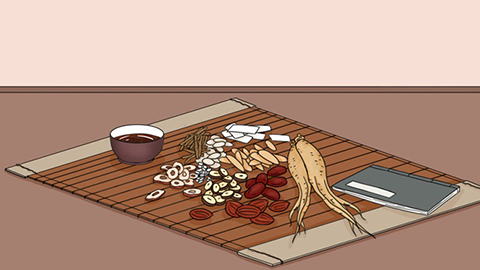
For hypertensive patients with constitutional weakness, small amounts of Korean ginseng may be permissible. Nevertheless, as Korean ginseng is a tonic that augments qi and promotes fluid production, prolonged use may lead to fluctuations in blood pressure. Generally, hypertensive patients do not require tonics or supplements; instead, they should consistently adhere to prescribed antihypertensive medications. Blood pressure control should primarily focus on maintaining a light, low-salt, low-fat diet rich in dietary fiber (e.g., fruits and vegetables), engaging in regular physical activity, and adopting overall healthy lifestyle modifications.

If any abnormal symptoms arise, prompt medical consultation is crucial. Treatment must be guided by a physician’s recommendations—self-medication should be avoided to prevent disease progression. We hope this information proves helpful.


