


Can patients with hypotension take Shengmai Decoction?

Some children and women develop poor physical constitution and hypotension due to chronic picky eating, dietary biases, and insufficient physical activity. In such cases, physicians may recommend taking Shengmai Beverage for a period to help regulate bodily functions—especially during summer, when this remedy is often prescribed more frequently for patients with constitutional deficiencies. So, can individuals with hypotension take Shengmai Beverage?
Can individuals with hypotension take Shengmai Beverage?
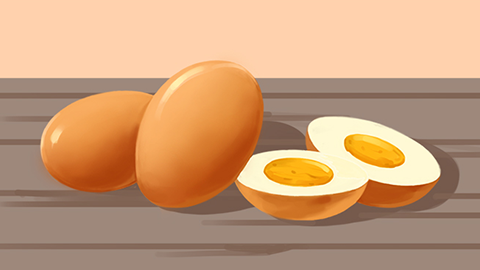
Yes, individuals with hypotension may consume Shengmai Beverage. While Shengmai Beverage offers supportive therapeutic benefits for hypotension, definitive treatment must be tailored to the underlying cause of the condition. Patients should seek timely, targeted interventions and undergo comprehensive evaluation at a reputable hospital’s cardiology department. Individuals with hypotension must prioritize adequate rest, avoid fatigue, enhance nutritional intake—particularly protein-rich foods such as meat, eggs, and dairy—and consume ample vegetables, fruits, and whole grains, all of which contribute to improved blood pressure regulation. In daily life, patients should maintain a balanced work–rest schedule and strictly avoid overexertion, as fatigue is a significant contributing factor to hypotension.
Shengmai Beverage’s primary ingredients are red ginseng (Panax ginseng C.A. Mey.), Ophiopogon japonicus (Maidong), and Schisandra chinensis (Wuweizi). Its principal actions include replenishing Qi, nourishing the pulse, enriching Yin, and promoting the generation of body fluids. It is primarily indicated for syndromes of dual deficiency of Qi and Yin, manifesting as palpitations, shortness of breath, weak pulse, and spontaneous sweating. Clinically, it is commonly used in the management of critical conditions such as acute myocardial infarction, cardiogenic shock, and cardiac arrhythmias—and may also serve as an adjunctive therapy for hypotension. Additionally, clinicians should assess whether hypotension stems from anemia; a blood pressure reading below 90/60 mmHg generally confirms a diagnosis of hypotension.
Patients are advised to maintain healthy lifestyle habits, follow a light and balanced diet, and avoid spicy or irritating foods. We hope this information proves helpful.


