


Can elderly people with diabetes drink buckwheat tea?

With improvements in living standards, the number of people with diabetes continues to rise. The development of diabetes is closely linked to daily dietary habits. So, can elderly individuals with diabetes drink bitter buckwheat tea?
Can elderly individuals with diabetes drink bitter buckwheat tea?
Yes, individuals with diabetes may consume bitter buckwheat tea. Regular consumption of this tea helps lower blood glucose levels. Bitter buckwheat tea is known for its ability to reduce the “three highs”—namely, high blood pressure, high blood sugar, and high cholesterol—making it beneficial not only for diabetic patients but also for those with hypertension or hyperlipidemia. Additionally, it possesses anti-edema, digestive-stimulating, and cholesterol-lowering properties. Buckwheat contains a unique flavonoid compound called rutin, which helps maintain normal vascular wall permeability and elasticity, softens blood vessels, promotes wound healing, exerts anti-inflammatory and antiallergic effects, relieves coughing, alleviates asthma, and lowers blood lipid levels.
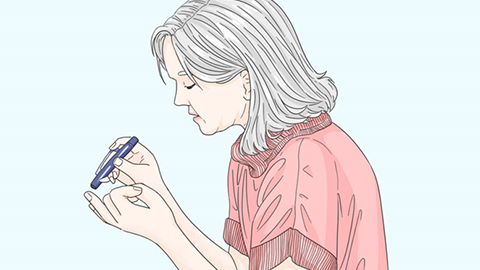
Elderly diabetic patients should avoid foods such as fruit candies, cakes, and bread (all high-glucose products), as well as fried foods like youtiao (Chinese fried dough sticks), sweet pastries, chocolate, and sunflower seeds. They should limit intake of high-glucose, high-calorie foods and minimize fat consumption; vegetable oils are recommended over animal fats for cooking. If diabetic nephropathy is present, soy-based products should be avoided. Some elderly individuals enjoy eating pumpkin or sweet potatoes—both considered coarse grains—which generally have minimal impact on blood glucose levels.
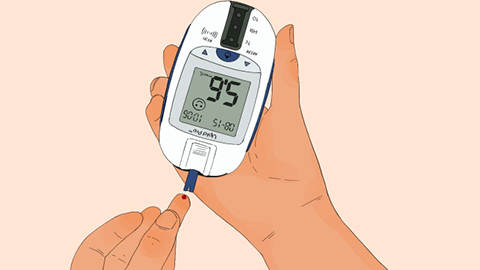
The treatment plan for elderly diabetic patients should be kept simple. As age advances, memory and even cognitive function may decline. Therefore, overly complex regimens increase the risk of missed or incorrect dosing. We hope this information proves helpful. Wishing you good health and a joyful life!


