


Can people with type 2 diabetes drink coconut milk?

Coconut milk has a sweet, fragrant flavor and is a favorite beverage for many people. Regular consumption of coconut milk offers several health benefits. But can individuals with type 2 diabetes drink coconut milk?
Can individuals with type 2 diabetes drink coconut milk?
People with type 2 diabetes should avoid coconut water. Coconut milk—a nutritious beverage made by blending coconut cream with dairy milk—contains substantial amounts of sugar, protein, and trace minerals. Excessive intake may adversely affect blood glucose levels, potentially worsening diabetic symptoms. Therefore, individuals with diabetes should minimize or avoid consuming coconut milk altogether. To manage their condition effectively, patients should reduce dietary sugar intake, steer clear of high-sugar foods, take prescribed antidiabetic medications consistently, and strictly control blood glucose to prevent serious complications. While low-sugar foods may be consumed in moderation, intake must remain within limits that maintain normal blood glucose levels.
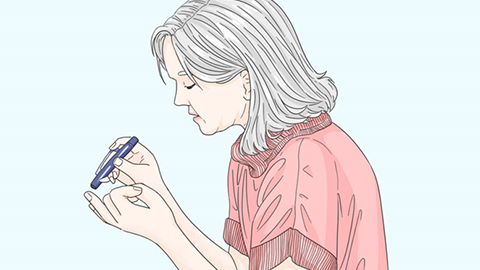
Type 2 diabetes results from insulin resistance leading to relative insulin deficiency and consequent hyperglycemia. In addition to oral hypoglycemic agents or subcutaneous insulin injections to regulate blood glucose, individuals with type 2 diabetes should also observe the following dietary principles: maintain balanced nutrition, limit high-sugar foods, reduce refined carbohydrates such as white rice and wheat flour, and instead opt for whole grains like cornmeal and buckwheat flour.
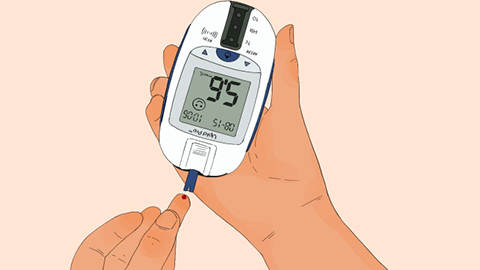
Although coconut milk offers numerous health benefits, its sugar content is relatively high. Moreover, coconut milk is typically served chilled. Individuals with compromised gastrointestinal function may experience digestive disturbances—including abdominal pain and diarrhea—if they consume large quantities at once. Therefore, those with sensitive or impaired gastrointestinal function should avoid excessive intake to minimize potential adverse effects. We hope this information is helpful. Wishing you good health and happiness!


