What should I do if I develop itchy prickly heat in autumn?
Aug 22, 2022
Source: Cainiu Health

Dr. Liu Wenmin
Introduction
Prickly heat (miliaria) occurring in autumn and causing intense itching can be treated with oral medications, topical ointments, and other therapies. If the itching is particularly severe—especially when accompanied by stinging sensations—appropriate medications may be used. Some antipyretic and detoxifying agents, such as honeysuckle flower decoction (Lonicera japonica infusion), may offer certain therapeutic benefits. Oral loratadine tablets are also effective for relieving itching, and several topical ointments provide effective anti-itch relief.
Painful prickling sensations (prickly heat or miliaria) commonly occur not only in children but also in adults. In fact, the underlying cause is quite straightforward: blocked skin pores lead to bacterial proliferation and subsequent infection, triggering an inflammatory response—often manifesting as prickling discomfort. Some cases are specifically caused by *Staphylococcus* infections. So, what should one do if prickly heat develops and causes intense itching in autumn?
How to Manage Itchy Prickly Heat in Autumn
Itchy prickly heat in autumn can be treated with oral medications and topical ointments. If itching is particularly severe due to prickling sensations, appropriate pharmacological interventions may be considered. Oral antipyretic and detoxifying agents—such as honeysuckle flower decoction—may offer some relief. Loratadine tablets taken orally are also effective for alleviating itching. Topical ointments likewise provide significant anti-itch benefits; for instance, compound lidocaine ointment demonstrates excellent pruritus-relieving properties. If concurrent pulmonary inflammation is present, desonide ointment may be used under a physician’s guidance.

Moreover, persistent pore blockage—especially when inadequate cleansing is performed—can itself provoke itching. In such cases, thorough skin cleansing can help alleviate symptoms. Patients may add a few drops of balm (e.g., camphor or menthol-based preparations) to bathwater and soak for relief, which effectively soothes itching.
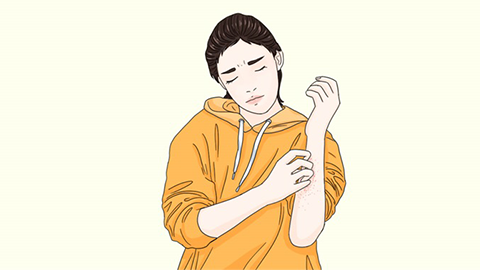
In daily life, patients should maintain a positive mindset, actively cooperate with their physicians’ treatment plans, adhere strictly to prescribed dosages and schedules for medication, and pay close attention to routine skincare—thereby facilitating prompt symptom improvement. We hope this information proves helpful to you.