


Can regularly consuming Panax notoginseng powder lower blood pressure?

With societal development, people are experiencing increasing work-related stress. Coupled with long-term irregular eating and sleeping habits, alcohol consumption, smoking, and aging, many individuals develop hypertension. The primary symptom of this condition is dizziness. Patients with hypertension often struggle to regulate their emotions and may become irritable easily. So, does regularly consuming Sanqi (Panax notoginseng) powder lower blood pressure?
Does regular consumption of Sanqi powder lower blood pressure?
Regular intake of Sanqi powder does not lower blood pressure. Sanqi powder is a traditional Chinese herbal medicine that has no hypotensive effect. Its primary pharmacological actions include promoting blood circulation and resolving blood stasis—neither of which contributes to blood pressure reduction. For effective blood pressure control, patients should consistently take prescribed antihypertensive medications, which represents the most scientifically supported approach. Clinical guidelines recommend selecting antihypertensive drugs based on individual blood pressure levels; both drug choice and dosage must be tailored accordingly.
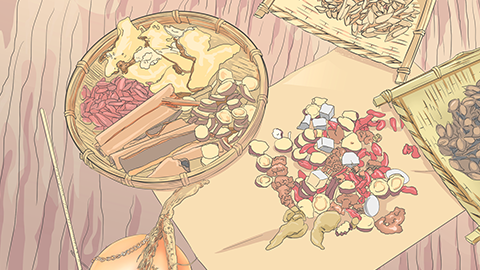
Regular consumption of Sanqi powder does not lower blood pressure. In fact, taking high doses of Sanqi powder frequently may actually cause blood pressure to rise. As a traditional Chinese herbal powder, Sanqi promotes blood circulation and resolves blood stasis. Excessive intake can accelerate systemic blood flow, potentially stimulating a sustained increase in blood pressure and elevating heart rate. Therefore, Sanqi powder should only be taken under medical supervision, with dosage adjusted according to the patient’s specific condition and constitution. Small, appropriate doses may moderately enhance circulation, thereby supporting metabolic function and helping prevent thrombosis.
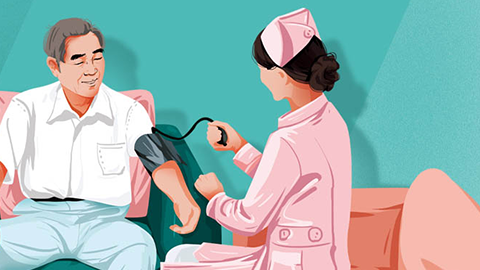
Patients are advised to strictly avoid smoking and alcohol consumption, minimize emotional agitation, maintain a light diet rich in vegetables and fruits, and avoid greasy or spicy foods. If symptoms are severe, prompt medical consultation is essential, and treatment should follow physician recommendations. Self-medication should be avoided to prevent disease progression. We hope this information proves helpful to you.


