


Itchy heat rash—what should I apply?

Fever blisters (miliaria) commonly occur not only in children but also in adults. In fact, the cause is quite straightforward: blocked skin pores lead to bacterial proliferation and subsequent infection, triggering an inflammatory response—this is miliaria. Some cases involve staphylococcal infection causing a prickling or stinging sensation. Miliaria often induces intense pruritus (itching). So, what should one apply when experiencing severe itching due to miliaria?
What to Apply for Itchy Miliaria
For itchy miliaria, it is advisable—under a physician’s guidance—to apply compound calamine lotion and boric acid solution topically to affected areas to alleviate pruritus. If topical treatment proves insufficient, oral antihistamines may be prescribed by a healthcare provider, such as cetirizine hydrochloride tablets, loratadine tablets, or chlorpheniramine maleate tablets. During treatment, maintain a light diet rich in fresh fruits and vegetables; avoid spicy, pungent, and irritating foods. Practice good personal hygiene and refrain from using harsh or irritating soaps and cleansers.
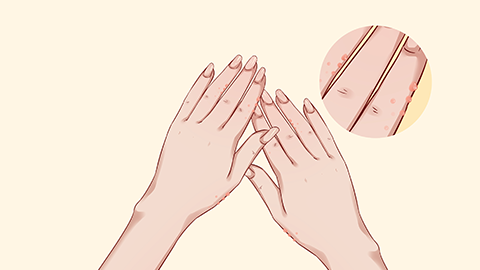
Miliaria is a dermatological condition caused by impaired sweat excretion in warm environments. Therefore, it is recommended to avoid hot, humid settings; ensure adequate ventilation and cooling in your surroundings; wear loose-fitting clothing; change clothes frequently; keep skin clean and dry; avoid crowded places; and minimize emotional stress or anxiety. Regular bathing effectively relieves miliaria-related pruritus. Since blocked pores can cause stinging sensations, frequent bathing—especially during summer—is essential. Additionally, applying talcum powder or insect-repellent lotion (e.g., Hu Lu Shui) to the body may provide relief.
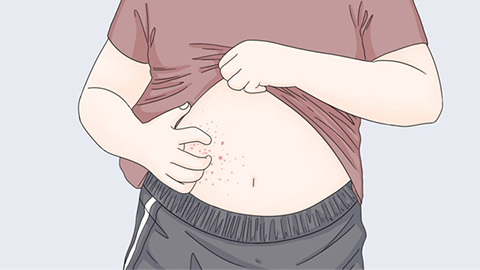
In daily life, maintain regular, balanced meals—avoid spicy, stimulating foods and overeating—and ensure adequate sleep by avoiding late-night activities. We hope this information proves helpful.


