


Can wormwood (mugwort) baths help treat prickly heat?

In many cases, physical health is adversely affected—often to varying degrees—by stress from work, daily life, and other sources. The body may respond with various symptoms, signaling that something is amiss. If these issues remain unaddressed, they can directly impair one’s quality of life. So, can bathing with mugwort (Artemisia argyi) help treat prickly heat?
Can bathing with mugwort treat prickly heat?
Yes, bathing with mugwort can help alleviate prickly heat. Prickly heat (miliaria) commonly occurs during summer or after prolonged exposure to hot, humid environments. Under such conditions, excessive sweating—particularly in areas where sweat cannot readily evaporate—leads to the development of numerous small, dense papules. These papules are typically surrounded by a distinct erythematous halo and may be accompanied by mild scaling. Commonly affected sites include the neck, axillae, trunk, and periareolar regions in women. Most individuals experience noticeable pruritus or a burning sensation when the lesions become irritated.
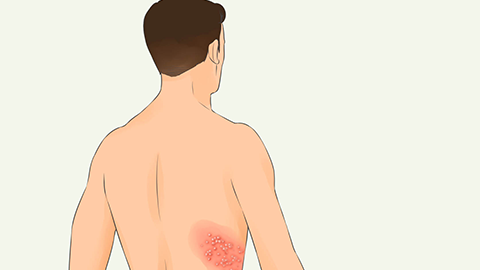
Prevention of prickly heat centers on minimizing excessive sweating—especially during hot weather—by ensuring adequate ventilation and cooling in indoor spaces, and by staying in air-conditioned or fan-cooled rooms whenever possible. Patients should wear loose-fitting, lightweight clothing, preferably made of breathable, moisture-wicking cotton, to reduce skin friction. Taking a cool bath may also help lower skin temperature and mitigate irritation.
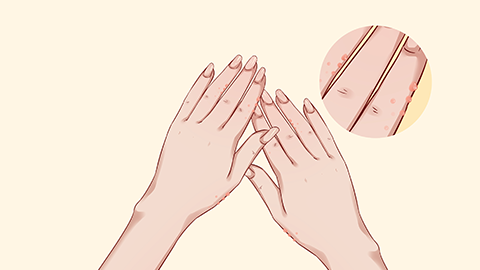
In daily life, patients should maintain a positive attitude, actively cooperate with medical treatment, take prescribed medications as directed (in correct dosage and on schedule), and prioritize routine skin care—thereby facilitating prompt recovery. We hope this information proves helpful.


