


Can people with diabetes drink cornmeal gruel?
Aug 22, 2022
Source: Cainiu Health

Dr. Pan Yongyuan
Introduction
Cornmeal porridge is not recommended for people with diabetes. As a staple food, corn contains a large amount of carbohydrates but also substantial dietary fiber, which slows the gastrointestinal absorption of carbohydrates. After entering the gastrointestinal tract, dietary fiber requires mechanical breakdown and digestion, thereby delaying starch absorption from corn. Consequently, carbohydrate absorption occurs more slowly.
In my cherished memories, the breakfast I ate most frequently was cornmeal porridge. Every autumn after the harvest, relatives from my hometown would send me generous quantities of freshly ground cornmeal. But can people with diabetes consume cornmeal porridge?
Can people with diabetes consume cornmeal porridge?
It is generally not recommended for individuals with diabetes to consume cornmeal porridge. Corn, as a staple food, contains substantial amounts of carbohydrates—but also abundant dietary fiber, which slows down the gastrointestinal absorption of carbohydrates. Once dietary fiber enters the digestive tract, it requires mechanical breakdown and enzymatic digestion, thereby delaying starch absorption from corn. As carbohydrate absorption slows, postprandial blood glucose peaks are reduced, helping prevent post-meal hyperglycemia in diabetic patients. Therefore, whole corn (e.g., boiled or steamed corn kernels) is considered an appropriate staple food choice for people with diabetes.
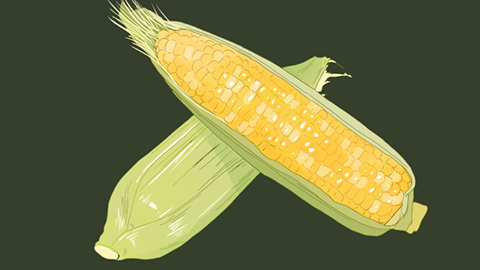
However, when corn is ground into fine cornmeal and cooked into a thin porridge, the beneficial effect of dietary fiber in delaying starch absorption is largely lost. In this form, the cornmeal porridge rapidly releases starch upon entering the gastrointestinal tract, leading to swift intestinal absorption into the bloodstream—and consequently causing sharp postprandial blood glucose spikes, potentially worsening glycemic control in diabetic patients. In addition to limiting overall carbohydrate intake, people with diabetes are advised to prioritize coarse grains and mixed grains while avoiding refined foods. Solid foods—such as steamed rice, steamed buns, and dry rice—are preferable; liquid or semi-liquid foods—including porridge, congee, overcooked noodles, and thin soups—should be minimized.

People with diabetes may safely consume generous portions of non-starchy vegetables and mushrooms, both of which are low in calories and have a low glycemic index (GI). When selecting fruits, opt for those with a low GI. We hope this information proves helpful!


