


Can women with gestational diabetes consume cornmeal porridge?

Drinking cornmeal porridge in moderation can both replenish nutrients and support gastric health. However, excessive consumption of cornmeal porridge may have adverse effects. So, can pregnant women with diabetes consume cornmeal porridge?
Can pregnant women with diabetes consume cornmeal porridge?
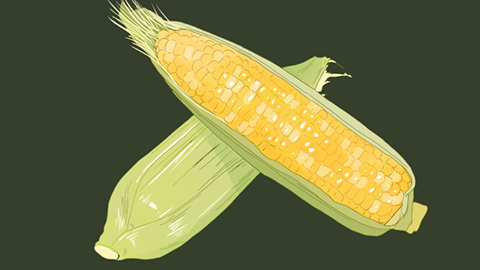
People with diabetes are generally advised against consuming corn porridge, as it is a type of porridge with a relatively high glycemic index (GI). Consuming corn porridge may cause rapid spikes in blood glucose levels, making glycemic control more difficult and potentially triggering acute complications. Diabetic patients are advised to regulate their intake of staple foods, since these constitute the primary source of dietary carbohydrates—and controlling staple food portions helps maintain stable blood glucose levels. As an alternative to corn porridge, vegetable soup is recommended.
During pregnancy, hormonal levels undergo significant changes. For example, estrogen, progesterone, and placental insulinase increase markedly after conception. These hormonal shifts reduce maternal insulin sensitivity, thereby increasing insulin demand—potentially leading to gestational diabetes mellitus (GDM). Some women already have pre-existing diabetes prior to pregnancy; in such cases, heightened insulin resistance during gestation may further exacerbate glycemic control challenges and contribute to GDM development.

Patients should undergo regular prenatal examinations, closely monitoring fetal heart rate, fetal movement, and intrauterine growth. Uterine height and abdominal circumference should be measured periodically, along with surveillance of blood pressure, blood glucose, and liver and kidney function. Any abnormalities detected should prompt appropriate nursing interventions and immediate notification of the attending physician. We hope this information proves helpful to you!


