


Can people with diabetes drink low-fat, high-calcium milk?

Low-fat, high-calcium milk offers the benefit of reduced fat content. “Low-fat” refers to the partial removal of fat from regular milk to lower its overall fat content. So, can people with diabetes drink low-fat, high-calcium milk?
Can people with diabetes drink low-fat, high-calcium milk?
Yes—people with diabetes may consume low-fat, high-calcium milk, provided it is sugar-free. It is recommended to take antihyperglycemic medications as prescribed by your physician to maintain optimal blood glucose control. Additionally, adopt a low-sugar, low-fat diet; engage in regular physical activity; and maintain a healthy body weight. Your dietary plan should emphasize moderate portions, high-quality protein, abundant vitamins, low fat, and low sugar—while carefully controlling total caloric intake. Consistent, appropriate exercise, weight management, emotional well-being, and regular follow-up visits to your healthcare provider for monitoring are all essential components of effective diabetes management.
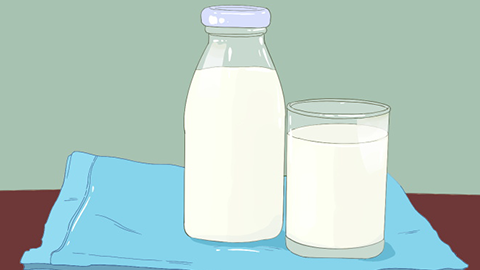
People with diabetes are advised to choose semi-skimmed or skimmed milk, as these options help control caloric intake. Whole milk contains relatively higher fat content, and some individuals with diabetes may experience elevated blood glucose levels after consuming it. This occurs because, per unit weight, fat provides more calories than carbohydrates or protein—thus, drinking whole milk may lead to increased fat intake.

Monitor your blood glucose when consuming milk: Even with identical types and quantities of milk, blood glucose responses may vary depending on the accompanying beverage consumed. This variability stems from individual differences in digestive and absorptive capacity among people with diabetes—and consequently, differing degrees of glycemic response. Therefore, regular self-monitoring of blood glucose is crucial to prevent excessive fluctuations. We hope this information has been helpful. Wishing you good health and a joyful life!


