


Is pain in both knee joints indicative of synovitis?

Synovitis is a common joint disorder encountered in daily life. It is typically triggered by certain stimuli affecting the joint, such as cold exposure, prolonged static postures, intense physical activity, or localized joint trauma. Among all joints in the body, the knee joint is the most susceptible to synovitis. So, does bilateral knee pain indicate synovitis?
Does bilateral knee pain necessarily indicate synovitis?
Bilateral knee pain does not necessarily signify synovitis. Numerous conditions can cause knee pain. Joint trauma—particularly common in the knee—may damage structures such as the patella, meniscus, or other anatomical components, resulting in pain. In such cases, knee X-ray imaging is essential to guide appropriate treatment. Secondly, pain may also arise in patients with stress-related disorders—for instance, osteophyte formation (bone spurs) and degenerative changes in the knee joint can likewise produce knee discomfort. Patients require adequate rest and symptom-targeted therapy. Additionally, when rheumatic factors invade the knee joint and provoke pain, active anti-rheumatic treatment is warranted.
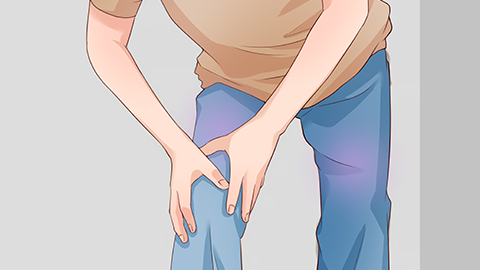
Bilateral knee pain is not invariably due to synovitis. If synovitis is present, patients typically experience pronounced knee pain, swelling, and restricted range of motion. Physical examination may reveal a positive “floating patella” sign and obvious soft, boggy swelling around the knee joint (“knee eye”). MRI of the knee commonly shows synovial hyperplasia and joint effusion, while articular cartilage, ligaments, and menisci remain intact. A comprehensive clinical assessment—including history, physical findings, and imaging—is required to confirm the diagnosis of synovitis. Once diagnosed, prompt treatment should be initiated to alleviate clinical symptoms. For severe cases unresponsive to conservative management, minimally invasive arthroscopic surgery and synovectomy (surgical removal of inflamed synovium) may be considered to ultimately relieve joint pain.
Patients are advised to seek timely medical evaluation for any symptoms and follow their physician’s recommendations for targeted treatment. Self-medication should be avoided to prevent disease progression. We hope this information has been helpful to you.


