


Is moxibustion effective for synovitis?

Many people have heard of synovitis in daily life, as this condition is notoriously difficult to treat and often requires prolonged convalescence. Developing synovitis can significantly impact a patient’s quality of life, warranting special attention. Some individuals claim that moxibustion may help manage synovitis—so, does moxibustion truly work for synovitis?
Is Moxibustion Effective for Synovitis?
Moxibustion can indeed be effective in treating synovitis. In Traditional Chinese Medicine (TCM), synovitis is commonly categorized under conditions such as “joint pain” or “tendon injury,” though precise classification depends on clinical presentation. For instance, moxibustion often yields favorable therapeutic outcomes for common cases of synovitis triggered by exposure to wind, cold, or dampness—or by excessive physical strain. However, in cases where synovitis arises secondary to gout—characterized by redness, swelling, heat, pain, and restricted joint mobility—moxibustion is ineffective and may even exacerbate the condition. Additionally, during moxibustion, care must be taken to avoid excessively high temperatures that could cause skin burns.
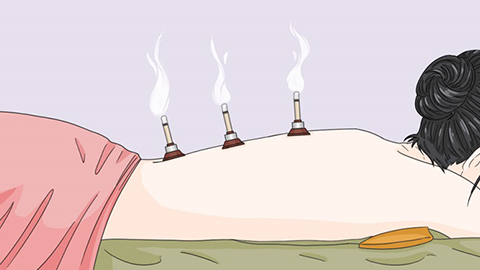
Moxibustion is definitely beneficial for patients with synovitis in the stable (chronic) phase. However, it is strictly contraindicated during acute flare-ups of synovitis. During the acute phase, most patients present with localized redness, swelling, warmth, and pain. Moreover, this stage involves increased inflammatory exudation; since moxibustion is a form of thermal therapy, applying heat at this time may further intensify inflammatory exudation and worsen clinical symptoms. Therefore, moxibustion is typically applied only during the stable phase of synovitis, primarily targeting the affected area to promote absorption of inflammatory exudates.
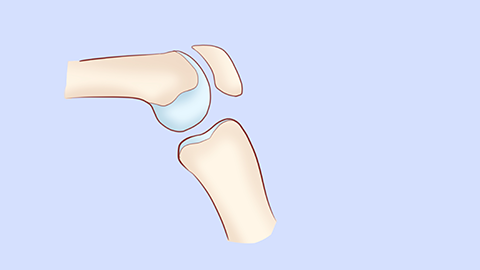
We recommend that patients promptly seek medical evaluation upon noticing any abnormal symptoms, and undergo targeted treatment under professional medical guidance. Self-medication should be avoided to prevent disease progression. We hope this information proves helpful to you.


