


Can people with diabetes drink water infused with Ophiopogon japonicus (Maidong) long-term?

Ophiopogon japonicus (Maidong) belongs to the Asparagaceae family (formerly classified under Liliaceae) and primarily grows in high-altitude regions. Its thick, fleshy tuberous roots are used medicinally and possess lung-moistening and cough-suppressing properties. Can individuals with diabetes safely consume Maidong-infused water long-term?
Can individuals with diabetes safely consume Maidong-infused water long-term?
Individuals with diabetes should not consume Maidong-infused water long-term. While Maidong exhibits mild hypoglycemic effects, it cannot fully treat diabetes or hyperglycemia. It may only modestly enhance insulin sensitivity and support partial recovery of pancreatic beta cells. Moreover, its oligosaccharide components have low molecular weight and are readily absorbed by the body. Therefore, individuals with hyperglycemia should avoid prolonged use of Maidong. Although rich in various nutrients and potentially beneficial for blood glucose control, Maidong is considered “cold” in nature according to Traditional Chinese Medicine (TCM); prolonged consumption may significantly impair spleen and stomach function. It is recommended to limit intake to two or three times per week.
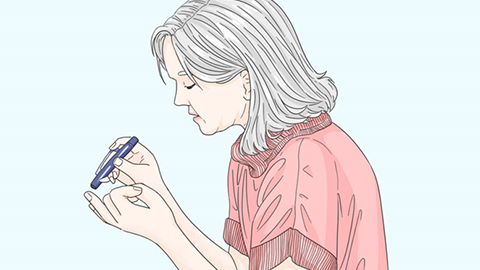
For individuals with diabetes, portion control is essential—eating until approximately 70–80% full is generally advisable. A practical way to gauge this is to stop eating when you still feel you could eat another small serving; putting down your chopsticks at that point helps prevent overeating.
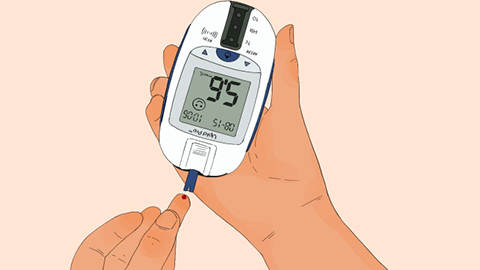
Patients must follow their physician’s guidance regarding all medications—including oral antidiabetic agents and insulin. Daily lifestyle management should emphasize a light, balanced diet and regular moderate physical activity to strengthen overall immunity. Blood glucose levels should be monitored regularly; if glycemic control remains suboptimal, treatment plans should be promptly adjusted. We hope this information is helpful. Wishing you good health and a joyful life!


