


Is moxibustion with moxa sticks effective for treating periarthritis of the shoulder?

In daily life, the most common shoulder problem is adhesive capsulitis (frozen shoulder). As people age, their body’s capacity for functional repair gradually declines, and individuals engaged in prolonged physical labor may also experience shoulder discomfort. If diagnosed with adhesive capsulitis, special attention is required. So, is moxibustion using moxa sticks effective for adhesive capsulitis?
Is Moxibustion Using Moxa Sticks Effective for Adhesive Capsulitis?
Yes, moxibustion using moxa sticks can be beneficial for adhesive capsulitis. It is particularly suitable for patients whose condition stems from overexertion or colds and who experience restricted mobility. During moxibustion, care must be taken to avoid burns. Additionally, complementary non-pharmacological therapies—such as acupuncture and tuina (Chinese therapeutic massage)—can further improve local circulation in the shoulder and alleviate associated symptoms like pain. For patients with more pronounced symptoms, oral medications may be prescribed under a physician’s guidance.
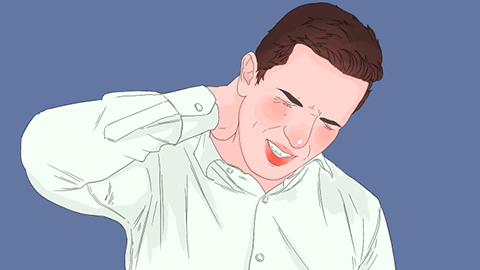
Moxibustion using moxa sticks offers certain therapeutic benefits for adhesive capsulitis. This condition is primarily associated with wind-cold invasion, and its clinical manifestations include restricted range of motion, muscle atrophy, and joint stiffness. Regular moxibustion helps enhance blood circulation around the shoulder joint and relieve muscular tension, thereby contributing to the treatment of adhesive capsulitis. However, treatment outcomes vary depending on individual constitution and disease severity; therefore, professional medical evaluation and management are strongly recommended.

Patients experiencing any symptoms should seek timely medical consultation and undergo targeted treatment as advised by a healthcare provider. Self-medication should be avoided to prevent disease progression. We hope this information has been helpful to you.


