


What kind of biscuit should be eaten for hypotension?

Low blood pressure (hypotension) is a relatively common condition. Although it is generally less harmful than hypertension, it can still interfere with daily life and contribute to the development of certain health issues. Therefore, individuals with hypotension should be aware of basic health principles—especially dietary restrictions. So, what types of cakes or pastries are suitable for people with low blood pressure?
What Cakes or Pastries Are Suitable for People with Low Blood Pressure?
People with low blood pressure may benefit from consuming nutrient-rich options such as persimmon cakes and stone-baked cakes. Their diet should emphasize a balanced combination of meats and vegetables. Foods like longan fruit, lotus seeds, red dates (jujubes), and mulberries are particularly recommended, as they help strengthen the spleen and nourish the brain. Regular consumption of these foods can enhance overall physical constitution. For cases of hypotension caused by excessive blood loss or heavy menstrual bleeding, it is especially important to consume foods that replenish blood and support hematopoiesis—such as those rich in protein, copper, and iron. Examples include eggs, legumes, and fruits and vegetables with high iron content, all of which aid in correcting anemia.

Individuals with low blood pressure may also consume moderate amounts of sweets. Sugar helps draw water into the bloodstream, thereby increasing blood volume—a key factor, since one potential cause of hypotension is insufficient circulating blood volume. By expanding blood volume, blood pressure can be raised to some extent. Sugar water, for instance, contains sugar that draws fluid from surrounding tissues and interstitial spaces into the vascular system, effectively increasing intravascular blood volume.
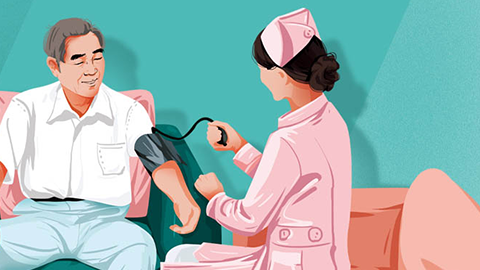
In daily life, patients should maintain a positive mindset, actively cooperate with their physicians’ treatment plans, take prescribed medications consistently and as directed, and pay close attention to routine self-care. These measures collectively support timely improvement of the condition. We hope this information proves helpful.


