


Can people with hypertension drink beverages?

As living standards improve, the number of individuals with hypertension continues to rise. Hypertension is a common cardiovascular disease, frequently observed among middle-aged and elderly populations. However, in recent years, hypertension has been increasingly diagnosed in younger individuals, with many discovering they have high blood pressure during routine health check-ups. Chronic hypertension poses serious risks to overall health—so can people with hypertension consume beverages?
Can people with hypertension drink beverages?
People with hypertension should avoid drinking most commercial beverages. The majority of these beverages are sugary drinks containing high levels of added sugar and numerous artificial additives, which accelerate the development and progression of atherosclerosis. Since hypertension involves atherosclerotic changes in small systemic arteries, consuming large quantities of sugary beverages increases blood glucose levels and blood viscosity. This places excessive metabolic and excretory demands on the kidneys; therefore, sugary beverages are strongly discouraged for individuals with hypertension. Instead, patients are advised to increase their intake of vegetables and fruits. These foods are rich in vitamin C and B-group vitamins, which help protect vascular walls and delay the onset of atherosclerosis.

Individuals with hypertension should also engage in moderate physical activity. Regular exercise helps lower blood pressure. Aerobic activities—such as brisk walking or jogging—are particularly recommended, along with some moderate-intensity training, which also contributes to blood pressure reduction. However, exercise intensity should not be excessive. To maintain blood pressure within the normal range, patients should adhere to regular sleep schedules and avoid staying up late.
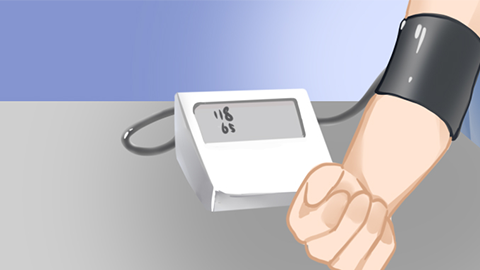
In daily life, patients should maintain a positive mental outlook, actively cooperate with their physicians’ treatment plans, take prescribed medications consistently and at the correct dosage, and pay close attention to self-care practices—thereby facilitating timely improvement in their condition. We hope this information proves helpful to you.


