


Can elderly individuals with diabetes drink fresh milk?

Fresh milk offers the highest nutritional value, with minimal loss of nutrients. Consuming a small amount of fresh milk provides noticeable health benefits. But can elderly individuals with diabetes drink fresh milk?
Can elderly individuals with diabetes drink fresh milk?
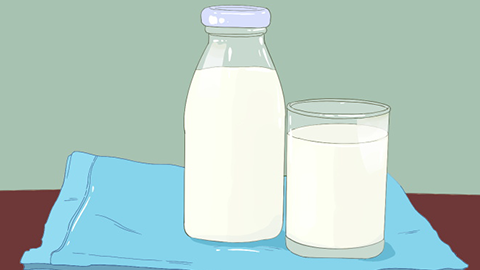
Yes, people with diabetes can safely consume fresh milk. Commercially available fresh milk undergoes pasteurization, making it safe for consumption. Fresh milk is rich in protein and calcium. For individuals with diabetes, drinking fresh milk helps supplement dietary protein and calcium—supporting overall health and promoting strong bones—without adversely affecting blood glucose levels. It is especially suitable for elderly patients with diabetes. A daily intake of 200–250 mL of milk—either in the morning or evening—is sufficient.
Diabetes is a group of metabolic disorders characterized by chronic hyperglycemia. Elevated blood glucose results from defects in insulin secretion, impaired insulin action (insulin resistance), or a combination of both. Prolonged hyperglycemia in diabetes leads to chronic damage and dysfunction of various tissues and organs—particularly the eyes, kidneys, blood vessels, and nerves. Diabetes has a familial genetic predisposition; however, this inherited susceptibility requires environmental triggers, including obesity, physical inactivity, an unbalanced diet, and viral infections.

Individuals with diabetes should undergo routine blood biochemical testing—including assessments of liver and kidney function, lipid profile, blood glucose, and blood pressure—every three to six months, or up to once a year, depending on clinical stability. We hope this information is helpful to you!


