


What Causes Nosebleeds in Children During Sleep?
Aug 22, 2022
Source: Cainiu Health

Dr. Ma Yan
Introduction
Nosebleeds in children during nighttime sleep may be related to non-pathological environmental factors or pathological conditions such as allergies or the common cold. For instance, if a child sleeps under excessive or overly warm bedding, or habitually sleeps in an air-conditioned room for prolonged periods, the surrounding air becomes excessively dry. This dryness can cause nasal mucosal dryness, thereby triggering nosebleeds during sleep.
Nosebleeds (epistaxis) are a serious medical condition. Many people have experienced nosebleeds at some point. So, what causes nosebleeds in children during sleep?
What Causes Nosebleeds in Children During Sleep?
Nosebleeds in children during sleep may result from non-pathological environmental factors—or from pathological conditions such as allergies or the common cold. If nosebleeds occur frequently, it is advisable to promptly take the child to a reputable local hospital for evaluation. Once the underlying cause is identified, treatment should be administered under the guidance of a physician. A detailed analysis follows:

I. Non-Pathological Factors
If a child sleeps covered with too many blankets or in an overly warm environment—or spends prolonged periods sleeping in air-conditioned rooms—the surrounding air may become excessively dry. This dryness can lead to nasal mucosal dehydration and subsequently trigger nocturnal nosebleeds. In such cases, rinsing the nasal cavity with warm saline solution can help maintain mucosal moisture.
II. Pathological Factors
1. Allergies
During sleep, children may inhale large quantities of allergens through the nasal passages, leading to nasal itching and localized allergic reactions. This often prompts them—unconsciously—to rub their noses while sleeping, potentially causing nasal mucosal injury and resulting in nosebleeds. Under a physician’s guidance, antihistamines such as loratadine tablets or cetirizine hydrochloride oral solution may be prescribed to alleviate allergic symptoms; consequently, nosebleeds typically improve gradually.
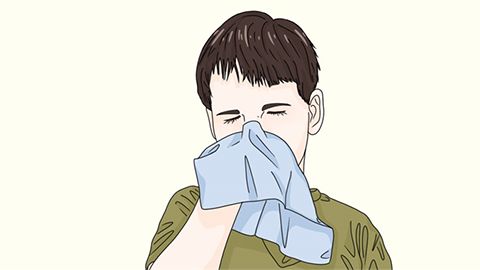
2. Common Cold
Nocturnal nosebleeds in children may also stem from the common cold. During a cold, bacterial proliferation within the nasal cavity can damage the nasal mucosa and cause blood vessel rupture, resulting in nighttime epistaxis. Nasal irrigation with saline solution helps reduce secretions, and concurrent administration of cold-relief medications—such as acetaminophen tablets or banlangen granules—can alleviate associated symptoms.
Besides the above causes, leukemia may also manifest with recurrent nosebleeds. To help prevent nosebleeds, encourage children to consume nutrient-rich foods to strengthen skin and mucosal resilience. Avoid foods that may induce “heatiness” (a traditional Chinese medicine concept referring to inflammatory or irritative conditions), and discourage nose-picking, which can further traumatize the nasal mucosa.



