


Why does my child experience nosebleeds at night?

Today, a neighbor mentioned that her child experienced another episode of epistaxis (nosebleed) during the night and expressed concern about potential impacts on the child’s overall health. She would like to understand the causes of childhood nosebleeds—so what causes nosebleeds in children at night?
What Causes Nosebleeds in Children at Night?
There are four primary reasons why children may experience nocturnal epistaxis: poor air circulation indoors at night, compromised nasal and oral breathing, dryness of the nasal mucosa, and increased vagal nerve activity during sleep—which leads to vasodilation. However, the underlying cause of nosebleeds in children is often related to their vigorous metabolism and tendency toward internal “heat” (a traditional Chinese medicine concept referring to excessive internal body heat or inflammation). Children commonly consume high-protein, high-calorie diets, which—combined with heavy breathing, constipation, and dry stools—can further exacerbate internal heat. Moreover, children’s nasal mucosa is richly vascularized, yet they often pay little attention to nasal discomfort and may inadvertently irritate the nasal lining by picking or rubbing their noses.
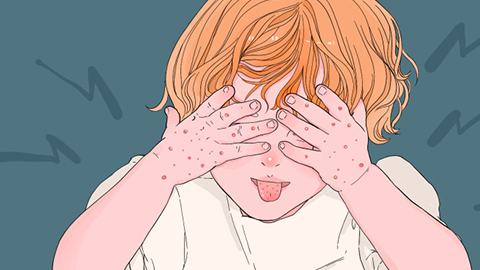
Children are prone to colds, and factors such as inappropriate clothing or wearing masks may also contribute to or trigger nocturnal nosebleeds. If a child experiences frequent nosebleeds or has substantial bleeding, it is important to consult a physician for clinical evaluation.
In daily life, encourage your child to drink plenty of water and consume fresh fruits and vegetables—such as tomatoes, leafy greens, radishes, lotus root, water chestnuts, watermelon, and pears—which possess natural moisturizing properties. Avoid overeating, as this may aggravate internal heat, and limit intake of fried foods. We hope this information proves helpful!


