


Can a barium meal examination detect gastric ulcers?

Barium meal examination primarily detects gastric ulcers and intestinal tumors. This diagnostic method boasts a generally high accuracy rate. Because it is faster and more convenient, barium meal examination enables effective and prompt treatment of diseases, thereby reducing their harmful effects on the body. So, can a barium meal examination detect gastric ulcers?
Can a barium meal examination detect gastric ulcers?
Yes, a barium meal examination can detect gastric ulcers. It is the most commonly used method for diagnosing gastric ulcers. When a patient ingests barium sulfate, radiographic imaging allows clinicians to observe the distribution and morphology of this contrast agent within the digestive tract. In cases of gastric mucosal ulceration, a characteristic “niche” (a localized indentation or cavity) forms at the ulcer site. On lateral views, this appears as a papillary or conical protrusion extending outward from the lumen; on frontal views, it manifests as a round, well-defined filling defect.

A barium meal is a radiographic contrast agent—distinct from barium enema. Barium meal radiography involves oral administration of the contrast agent to visualize lesions in the gastrointestinal tract, particularly those affecting the upper GI tract. Barium sulfate is water-insoluble and not absorbed by the human body. Gastric ulcers are a type of peptic ulcer—defined as breaks or sores in the inner lining (mucosa) of the stomach. The gastric mucosa normally serves as a protective barrier; however, when compromised due to various factors (e.g., infection, NSAID use, or excessive acid secretion), ulceration readily occurs, resulting in a gastric ulcer.
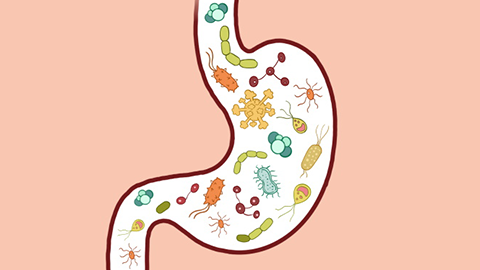
For patients diagnosed with gastric ulcers, attention to diet and rest is strongly recommended. Dietary adjustments include avoiding spicy, irritating, raw, cold, coarse, and greasy foods. Maintain regular mealtimes, avoid overeating or binge eating, adopt a pattern of smaller, more frequent meals, ensure balanced and varied nutrition, and strictly abstain from smoking and alcohol consumption. We hope this information proves helpful to you.


