


Can patients with gastric ulcers consume hawthorn tablets?

Crabapple slices are an appetizer that aids digestion. Although they offer numerous health benefits, they are not suitable for everyone; inappropriate dietary choices can cause even greater harm to the stomach. Everyone should pay attention to this. So, can patients with gastric ulcers consume crabapple slices?
Can patients with gastric ulcers consume crabapple slices?
Crabapple slices are unsuitable for patients with gastric ulcers. Crabapples possess properties that promote digestion, strengthen gastric function, invigorate blood circulation, resolve blood stasis, lower blood pressure, and reduce blood lipid levels. However, crabapples contain relatively high levels of pectin and tannic acid. When combined with gastric acid, these compounds may precipitate into water-insoluble substances, potentially forming gastric bezoars and triggering symptoms such as gastric ulcers and gastric hemorrhage. Gastric acid is a primary causative factor in gastric ulcer development. After ingestion, crabapple slices may exacerbate gastric acidity, stimulate excessive gastric acid secretion, and thereby aggravate existing ulcers. In severe cases, complications such as gastric perforation and peritonitis may occur.
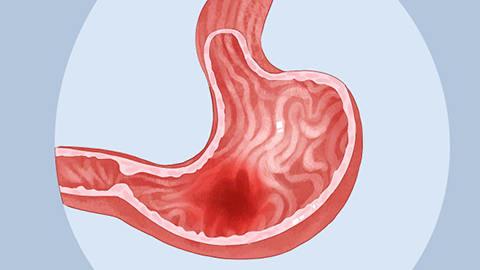
After developing a gastric ulcer, patients should primarily consume bland, semi-liquid foods and strictly avoid spicy or irritating foods. Concurrently, under medical supervision, timely administration of anti-inflammatory agents and gastric mucosal protective medications is essential. Regular hospital follow-up examinations are also required to prevent progressive deterioration of the condition—such as gastric perforation. In daily life, maintain regular meal schedules, avoid overeating or binge eating, adopt a “smaller, more frequent meals” approach, ensure balanced and varied nutrition, and strictly abstain from smoking and alcohol consumption.

For patients with gastric ulcers, it is advisable to prioritize proper diet and adequate rest. Regarding diet, avoid spicy, stimulating, raw, cold, coarse, and greasy foods. We hope this information proves helpful to you.


