


What should I do if drinking alcohol causes gastric bleeding?

In real life, many patients engage in unhealthy behaviors—such as frequent alcohol consumption or regularly eating spicy, irritating foods—which may trigger adverse symptoms like gastric bleeding, thereby endangering their health. So, what should be done if alcohol consumption leads to gastric bleeding?
What to Do If Alcohol Consumption Causes Gastric Bleeding
If excessive alcohol intake results in gastric bleeding, the first step is to promptly administer anti-alcohol medications to the patient. Once an intravenous (IV) line is established, appropriate detoxifying agents—such as naloxone hydrochloride, intravenous vitamin C, or IV fluid replacement—may be administered. Additionally, acid-suppressing and hemostatic drugs—such as tranexamic acid and aminomethylbenzoic acid—can be appropriately used to alleviate gastric bleeding.

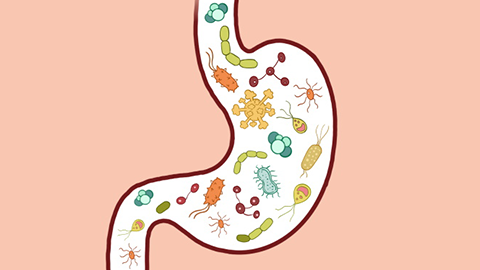
Alcohol-induced gastric bleeding occurs because large amounts of alcohol damage the gastric mucosa. If the bleeding volume is relatively small, temporary fasting and water restriction are initially required. In cases of severe alcohol intoxication, intravenous glucose and naloxone should be administered to counteract the effects of alcohol. Concurrently, proton pump inhibitors such as omeprazole or esomeprazole, along with gastric mucosal protectants like magnesium aluminum gel, may be given to suppress gastric acid secretion and promote mucosal healing, thereby achieving hemostasis.
In daily life, patients should maintain a positive mindset, actively cooperate with physicians during treatment, take prescribed medications on time and in the correct dosage, and pay attention to routine self-care—so that their condition improves as rapidly as possible.


