


What to Eat After Morning Sickness-Related Gastric Bleeding
Aug 22, 2022
Source: Cainiu Health

Dr. Chen Zhe
Introduction
Pregnant women with gastric bleeding should consume bland liquid or semi-liquid foods. Since such foods are primarily soups, they are rapidly absorbed in the stomach, providing essential nutrients without irritating the gastric mucosa. They also help replenish both nutrition and fluids. It is recommended to serve these foods at room temperature, as excessively hot or cold foods may damage the gastric mucosa and potentially trigger recurrent gastric bleeding.
Pregnancy is a joyful experience—day by day, expectant mothers eagerly anticipate their baby’s development, picturing the infant’s adorable features countless times in their minds. However, one month into pregnancy, many women begin experiencing morning sickness. In severe cases, persistent vomiting may even lead to gastric bleeding, necessitating careful dietary management. So, what should a pregnant woman eat after experiencing vomiting-induced gastric bleeding?
What to Eat After Vomiting-Induced Gastric Bleeding During Pregnancy
For pregnant women with gastric bleeding, it is best to consume bland, liquid, or semi-liquid foods. Since such foods are primarily soups, they are rapidly absorbed in the stomach without irritating the gastric mucosa. They also help replenish essential nutrients and fluids. It is advisable to serve these foods at room temperature, as excessively hot or cold foods may damage the gastric mucosa and potentially trigger recurrent gastric bleeding. Importantly, any episode of gastrointestinal bleeding during pregnancy warrants further medical evaluation to determine the underlying cause—whether gastritis or gastric ulcer—and prompt treatment at a hospital.
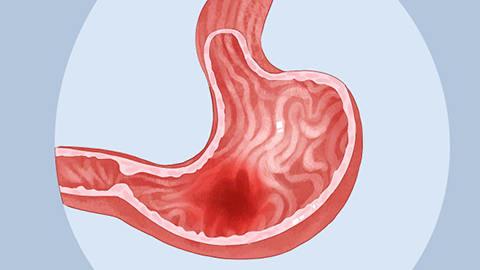
If the bleeding is minimal—evidenced only by blood streaks in the vomitus—dietary adjustments and physician-guided, safe oral medications are usually sufficient. The diet should remain bland and easily digestible; meals should be small and frequent to avoid overeating or binge eating. Spicy, greasy, cold, sour, or overly sweet foods—which are difficult to digest—should be avoided. Incorporating mildly alkaline foods may help alleviate excessive gastric acid secretion, thereby reducing nausea and vomiting associated with pregnancy.
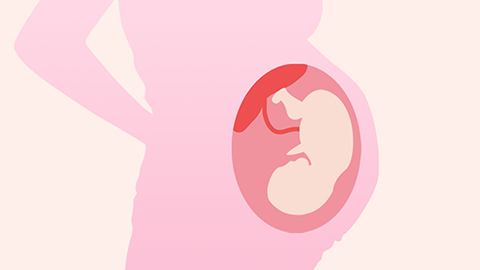
In daily life, maintain regular, disciplined eating habits: avoid spicy and irritating foods, refrain from overeating, and ensure adequate rest—avoiding late-night activities. We hope this information proves helpful.



