


How is seborrheic dermatitis of the scalp treated?
Aug 22, 2022
Source: Cainiu Health

Dr. Liu Wan
Introduction
Traditional treatments for seborrheic dermatitis of the scalp include corticosteroids, antihistamines, and anti-inflammatory medications, which offer some therapeutic benefit. However, after a period of treatment, the condition often recurs and worsens. Physicians recommend oral administration of traditional Chinese herbal medicines that alleviate allergic reactions, strengthen the body’s exterior defense (wei qi), clear heat and resolve toxins, and promote blood circulation while resolving stasis. During treatment, patients should adopt an integrated approach addressing both internal regulation and external management.
Seborrheic dermatitis of the scalp is a common, mild skin condition affecting the scalp surface. It falls under the category of dermatological disorders. If left untreated, it may lead to complications or secondary conditions. Late-stage treatment tends to be prolonged and more challenging; therefore, prompt intervention upon onset is essential. So, how is seborrheic dermatitis of the scalp treated?
How to Treat Seborrheic Dermatitis of the Scalp
Treatment for scalp seborrheic dermatitis often begins with selenium sulfide shampoo. For more severe cases, topical medications may be added—such as hydrocortisone butyrate or desonide (weak corticosteroid ointments) or non-steroidal options like tacrolimus or pimecrolimus ointment. Modern topical solutions also include corticosteroids; however, their liquid formulation allows for easier application to the scalp. In severe cases, oral medications—such as isotretinoin capsules—may be prescribed. Isotretinoin helps regulate sebum production and possesses anti-inflammatory properties, making it effective in treating seborrheic dermatitis. Moreover, long-term use has proven highly effective in preventing recurrence.

In addition to pharmacological therapy, adjusting one’s daily work and lifestyle habits is equally critical. Seborrheic dermatitis frequently recurs and is strongly influenced by acquired factors—including sleep quality, emotional stress, and dietary patterns. Notably, staying up late, consuming alcohol, or experiencing stress-induced “heatiness” (a traditional Chinese medicine concept referring to inflammatory symptoms) significantly increases the risk of flare-ups or worsening. Therefore, patients must consciously adjust their work-life balance—a key factor in preventing recurrence.
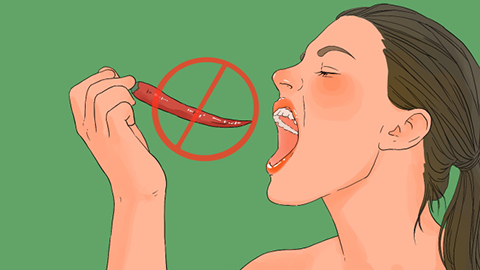
We recommend that patients cleanse the scalp daily, adhere strictly to prescribed medication regimens, limit intake of spicy, high-fat, and high-sugar foods, and increase consumption of vitamin-rich vegetables and fruits. We hope this information proves helpful to you.


