


What Causes Perioral Dermatitis?

There are many types of dermatitis, and their locations of onset also vary. Some forms occur around the mouth and are termed perioral dermatitis. This condition causes significant damage to the skin surrounding the mouth; therefore, understanding it is essential for effective prevention and treatment. So, what causes perioral dermatitis?
What Causes Perioral Dermatitis?
Perioral dermatitis primarily results from the combined effects of allergic reactions and irritants. It refers to an allergic response affecting the skin around the lips, manifesting as erythema, papules, vesicles, erosion, exudation, keratinization, or hyperplasia. Once these symptoms appear, oral antihistamines may be used to alleviate pruritus to some extent. As the condition gradually resolves, topical application of boric acid–zinc oxide ointment may also provide symptomatic relief.
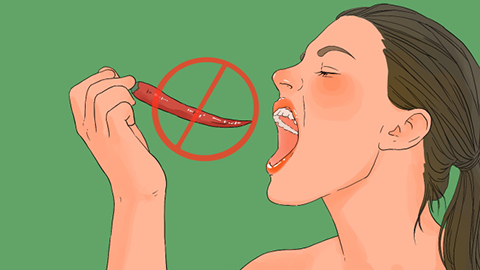
Perioral dermatitis is an allergic disorder triggered by the interplay of multiple internal and external factors. From the perspective of Traditional Chinese Medicine (TCM), its etiology is attributed to “excess heart fire” and “spleen dampness,” possibly stemming from emotional irritability leading to internally generated heart fire and subsequent blood heat. Additionally, for patients with mild perioral dermatitis who prefer to avoid oral antibiotics, topical metronidazole gel or cream may be used to relieve symptoms. In cases of refractory or disfiguring perioral dermatitis, oral isotretinoin may be prescribed. Concurrently, patients should follow a bland diet—avoiding spicy, greasy, cold, and irritating foods—and wear a mask outdoors to minimize irritation to the affected area.

In daily life, until perioral dermatitis is fully resolved, it is advisable to limit intake of spicy and irritating foods to prevent exacerbation of existing symptoms. We hope this information proves helpful to you.


